Installing Aluminium Alloy Baseboards (Screw-On Type)
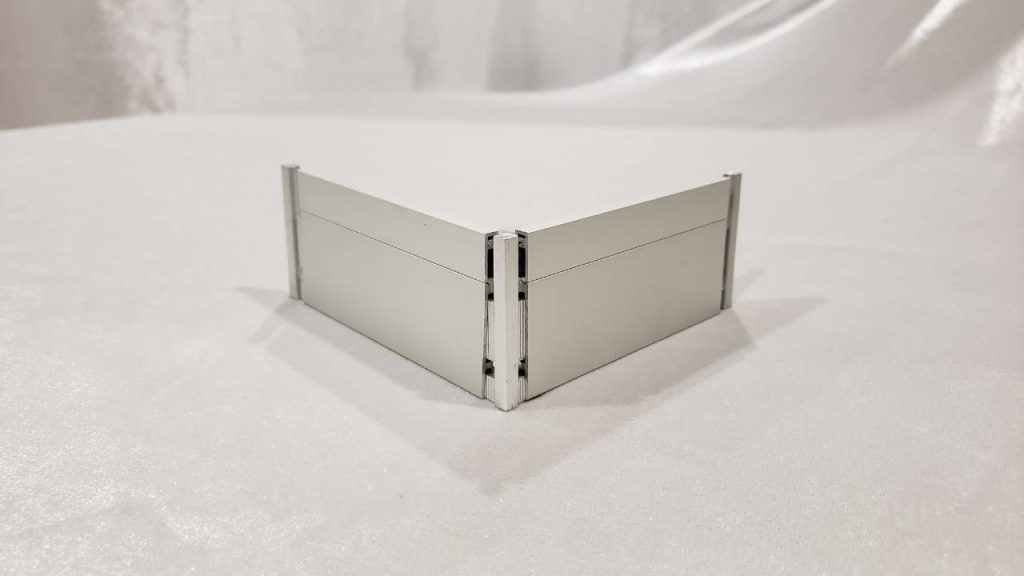
Cleaning Aluminium Alloy Baseboards
Clean aluminium alloy baseboards (SK.01, SK.01a, SK.01b, SK.01c, SK.01d)
and aluminium alloy baseboard end caps (A.14) before starting to join them together.
Press and close the aluminium alloy baseboard end cap (A.14) onto the aluminium alloy baseboard
(SK.01, SK.01a, SK.01b, SK.01c, SK.01d) before installation.
Measure the wall area and cut the aluminium alloy baseboard to the desired wall length for installation.
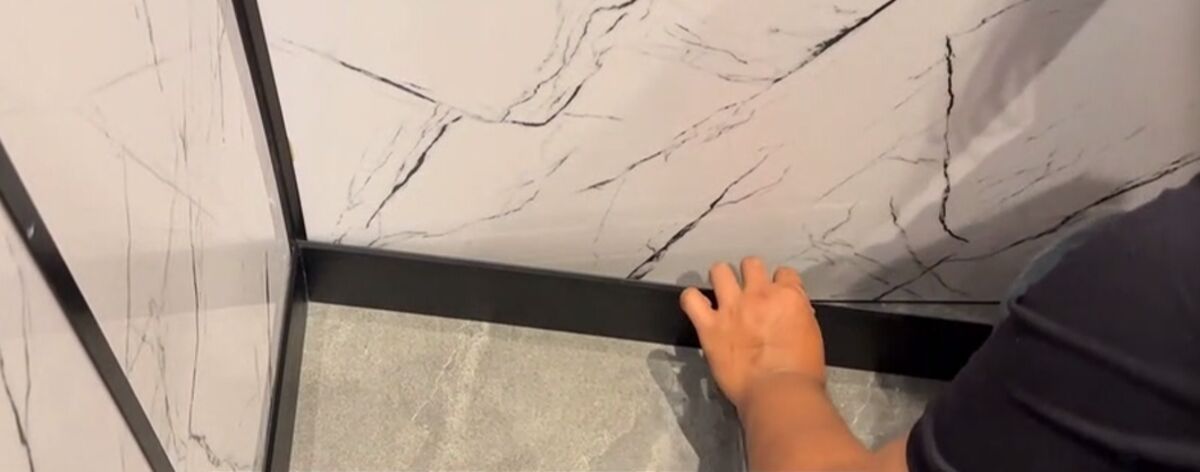
Apply high-adhesion glue to the back of the aluminium alloy baseboard and attach it to the wall.
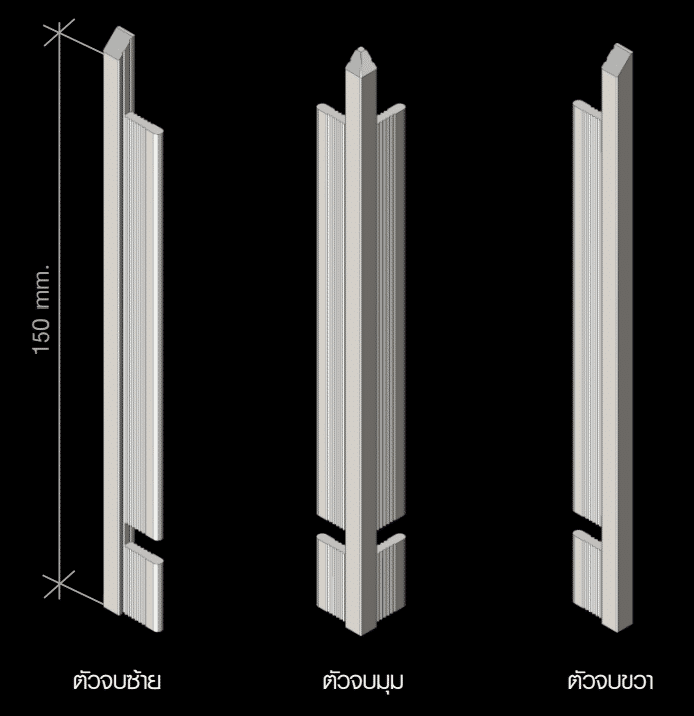
If you need to use corner end caps (100.11), right end caps (100.12), or left end caps (100.13),
you should install the end caps properly before using screws to secure.
Maintenance and Care of Aluminium Alloy Baseboards
Use mild soapy water or only neutral cleaning agents for cleaning.
Caution: Be aware of the cleaning agent's potency. If the cleaning agent is too strong,
it may affect the color of the aluminium alloy baseboards. After cleaning, use a clean cloth dampened with water, wrung out to be slightly moist, and wipe the aluminium surface,
followed by a dry cloth.
Tools and Equipment for Installation
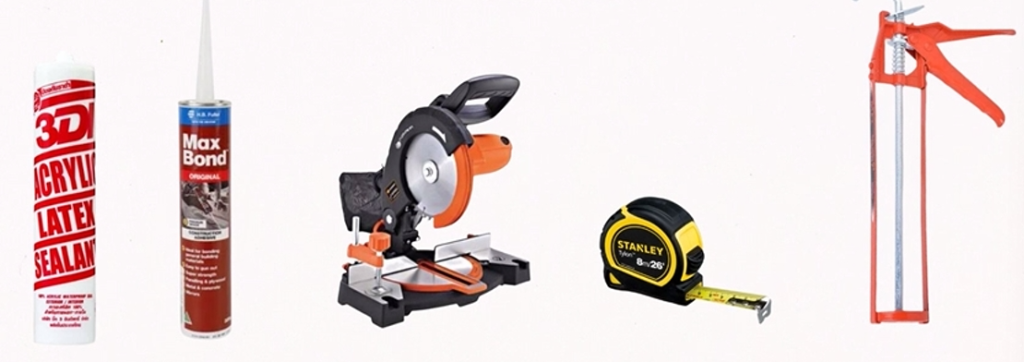
Adjustable angle aluminium cutter
Glue
Tape measure
Silicone gun
Silicone
Frequently Asked Questions
What glue should I use?
Construction adhesive (nail glue)
The adhesive has strong tack and can be used to bond various materials. It is commonly used in both interior and exterior construction, as well as for material repairs. Its advantage is high adhesive strength.
It is mainly used with materials that cannot be drilled or nailed, making it suitable for bonding plastics, aluminium, metals, ceramics, wood, glass, concrete, or stone.
Epoxy adhesive
The adhesive dries quickly, has strong bonding strength, and is durable. When cured, it becomes hard like metal. To use, mix the adhesive with a hardener. It can be used for both interior and exterior applications and is commonly used for bonding, filling, patching, or repairing items.
What types of silicone are available?
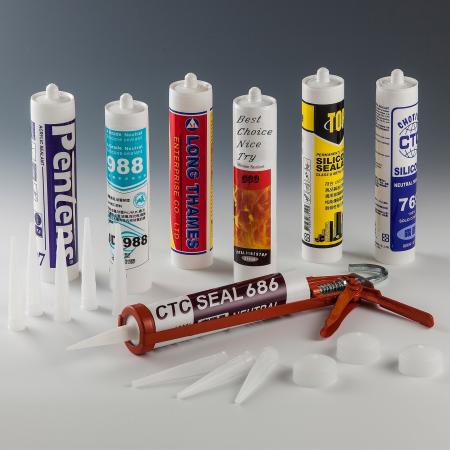
1. Silicone comes in 2 formulas:
The acid-containing formula dries quickly and has a strong odor. Once cured, the odor disappears, and the adhesion between material surfaces is better than acid-free silicone. However, this formula should not be used on metal surfaces as it may cause rust, and it is not suitable for cement walls due to the alkaline nature of cement, which reduces bonding effectiveness. For such surfaces, use acid-free silicone — look for the word "Acetic" on the label.
The acid-free formula evaporates without odor.
- Silicone comes in standard colors: white, black, clear, brown, gray — which cannot be painted over.
- 100% high-quality silicone can be used for both interior and exterior applications.
It is UV-resistant for exterior use, and can also be used in kitchens or bathrooms without issues.