Are you having trouble finding the right material for your home furniture? Why has aluminum been so widely used in interior design — whether for door frames, tables, or even shoe racks?
When it comes to aluminum alloy, people may think of a material with high durability, flexibility, and outstanding cost-effectiveness. In addition, furniture products made from aluminum offer many benefits and are convenient for everyday use. In this article, we will gain a better understanding of using aluminum in interior design!
Properties of Aluminum — Why It's Suitable for Interior Design
Durability
Aluminum is one of the best materials for rust prevention and corrosion resistance. With its strong structural integrity, aluminum is often used as a substitute for wood to avoid problems such as corrosion, rot, and termite damage. Thanks to its excellent properties, aluminum is ranked as one of the most durable materials against various weather conditions.
Doors made from aluminum are not only durable but also serve as effective sound insulation, enhancing living spaces even further.
Cost-Effectiveness
Compared to other materials such as wood or stainless steel, aluminum is relatively affordable and can save you significant money when choosing aluminum furniture.
Furthermore, the installation and maintenance costs of aluminum equipment are lower than other materials, making it beneficial in the long run.
Easy to Clean
Furniture made from aluminum does not rust, so it saves both time and money on maintenance. If desired, you can schedule safety inspections for your furniture twice a year.
Pure aluminum furniture has surfaces that are easy to clean, using just a towel and glass cleaning spray. Regular cleaning helps keep aluminum furniture looking new.
Aesthetics
Aluminum is a soft metal that can be easily bent and shaped. It is ideal for producing beautiful interior furniture that attracts attention.
You don't need to worry that aluminum will make the interior atmosphere dull, because you can choose colors and styles of aluminum furniture according to your preferences.
Excellent Air Sealing
When aluminum structures are combined with high-quality rubber, they enhance the insulation properties between outdoor and indoor areas. If you use aluminum furniture in hot weather, you don't need to worry about external heat seeping in.
Fire Protection
One of the most interesting studies in the interior design industry is fire prevention. Scientists have studied and determined that aluminum structures have superior fire resistance compared to other materials. When a fire occurs, aluminum doors help prevent the fire from spreading widely.
Recyclability
According to studies worldwide, aluminum is a metal that can be recycled at the end of its life. Over the past 30 years, 75% of aluminum globally has been recycled and reused multiple times.
Using Aluminum in Interior Design
Aluminum is the third most abundant metal on the Earth's surface, after iron and copper. Aluminum is soft, easily shaped, and convenient to use. It is also corrosion-resistant and long-lasting, with a surface layer that prevents oxidation. It is non-magnetic and does not melt under normal conditions. Structural components made from aluminum or aluminum alloys are used in the aerospace industry, as well as in transportation and construction materials.
Additionally, aluminum is used in household products, high-end cookware, and furniture. Due to its excellent properties, aluminum is increasingly used in modern architecture. In addition to being very lightweight, when exposed to air, aluminum combines with oxygen to form an oxide film (also known as aluminum oxide). This film acts as a surface anti-slip coating and helps protect the aluminum.
The Perfect Combination of Aluminum and Glass
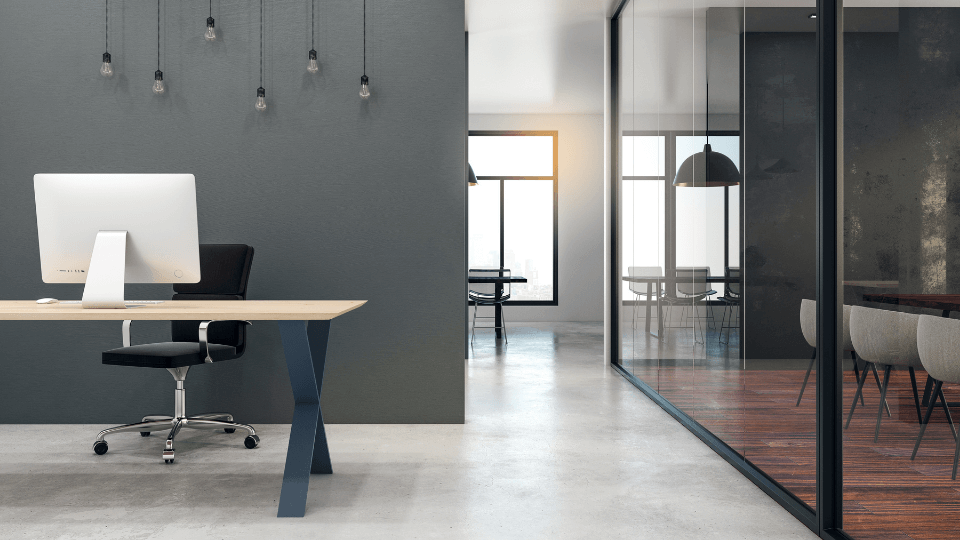
Due to their similar physical properties and thermal expansion coefficients, aluminum and glass have been used together in creating works that emphasize beauty for both interior and exterior building design. In terms of feng shui, both aluminum and glass have compatible properties. When used together, they enhance the harmonious feeling in both aesthetics and feng shui.
Furthermore, aluminum can be combined with wood to enhance the durability of products. Without aluminum cladding, the lifespan of wood products would be shorter.
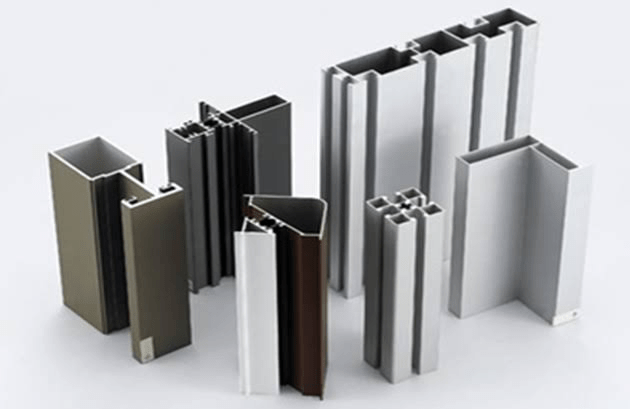
Aluminum can be divided into two types: aluminum bars and aluminum sheets. In building construction, the classification depends on whether they are used for interior or exterior purposes, based on project specifications. Aluminum can be designed according to the appropriate shapes, colors, and durability for each application type.
In Furniture Design, Especially Cabinets Made from Aluminum, Have a Longer Lifespan
Modern buildings today often use aluminum for exterior decoration to enhance beauty. With the versatile properties of aluminum, colors and shapes can be designed according to your preferences.
Aluminum bars are widely used in interior decoration, such as cabinets, shelving, plates, or decorative grilles to allow natural light to enter the home. Sometimes aluminum is also used for roofing. When combined with glass, aluminum enhances the modern appearance of high-rise buildings and luxury apartments. Additionally, aluminum looks beautiful when paired with good display arrangements, making the home appear brighter and more spacious.
Using aluminum in interior living spaces enhances feng shui when decorated appropriately. For modern offices, aluminum is used in structural systems and sunshades to create a better working atmosphere.
Factors that can damage aluminum structures fall into two categories: physical and chemical. Physical factors include corrosion and external force. Chemical factors include acidic and corrosive substances. The safety level of aluminum depends on two factors: load-bearing capacity and sharpness of the wrapping material.
The safety level of aluminum products includes two main factors: load-bearing capacity and sharpness of the wrapping material. For example, interior building balconies must be calculated to guarantee load-bearing capacity (not too thin) while maintaining sufficient thickness according to building architectural standards (not too heavy). However, aluminum has the property of being shapeable to suit safety requirements for interior home use.
Pure aluminum has low tensile strength, but when heat-treated, its mechanical properties are enhanced. Using aluminum offers advantages over other materials in both quantity and value (except steel) and plays an important role in enhancing the beauty of homes.
We are committed to bringing premium aluminum products into modern living. We therefore select only quality products to guarantee the perfection of your living space. We love using aluminum with its versatile benefits for interior design in your home.