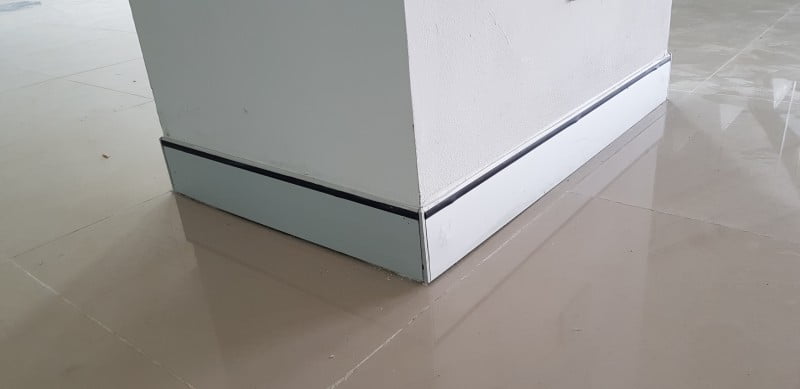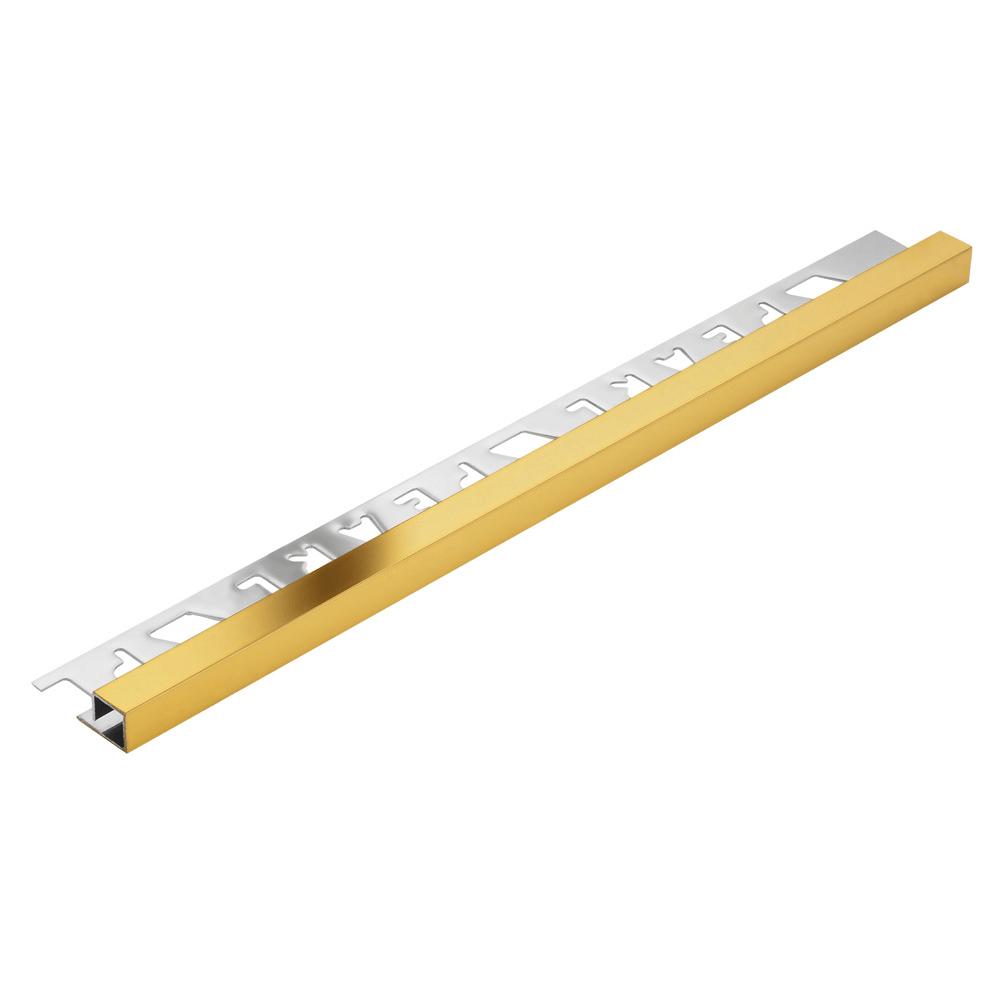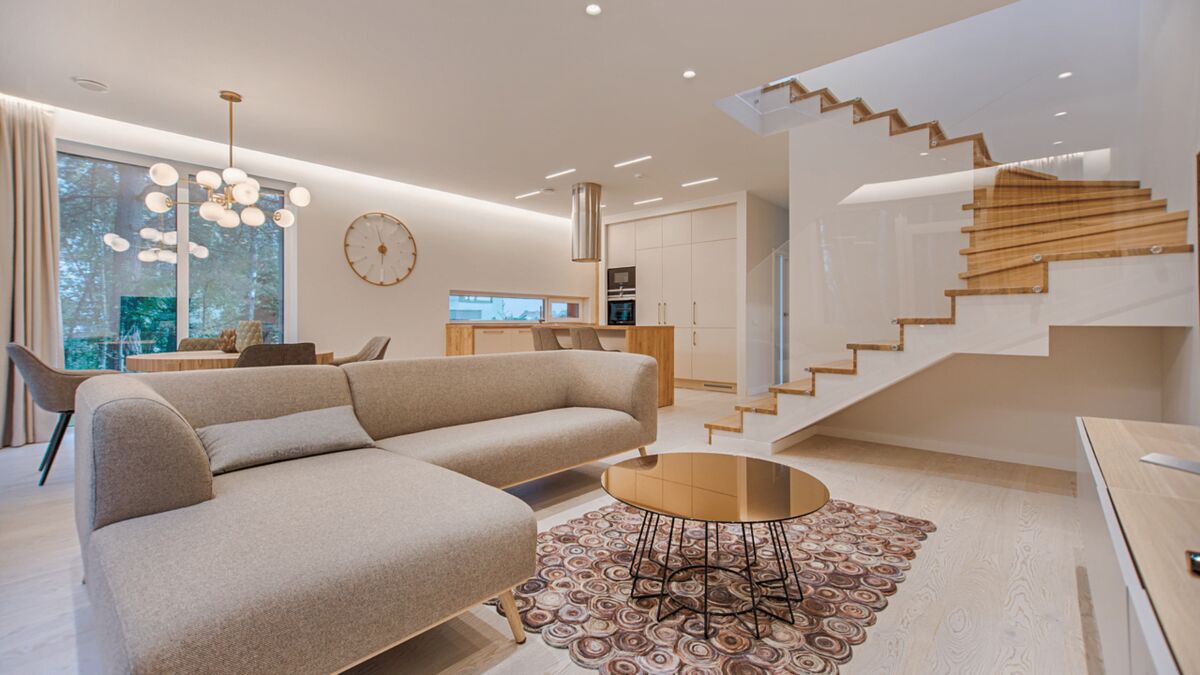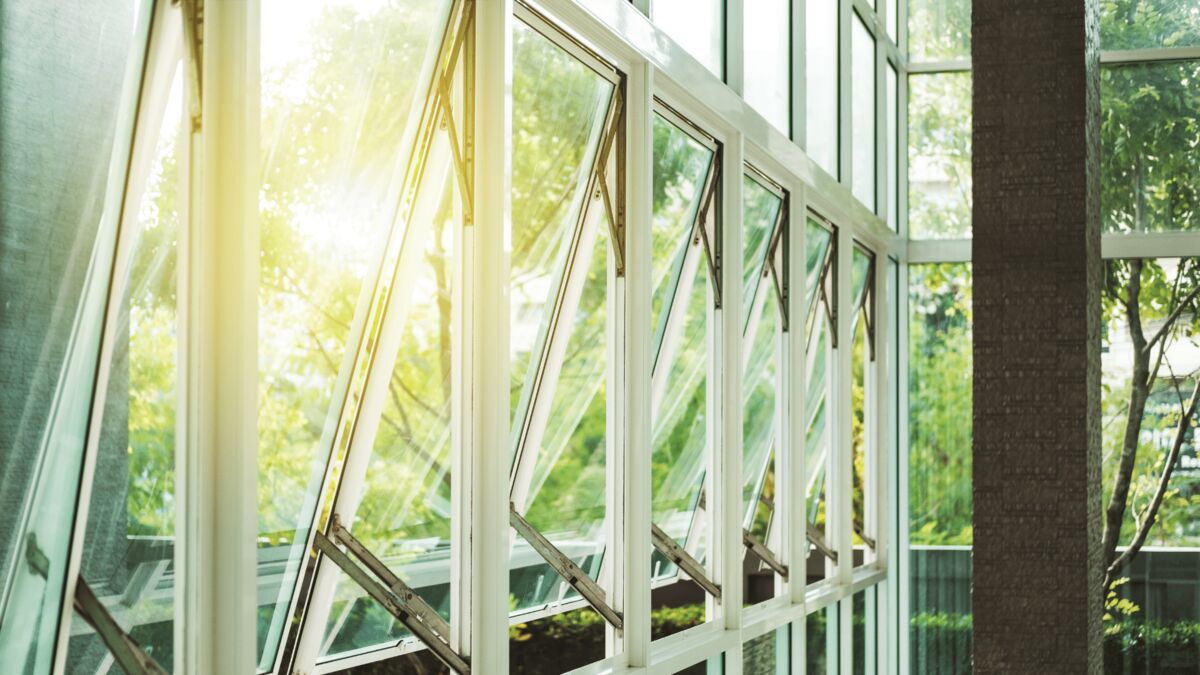
In recent years, there has been a growing trend toward using aluminum in construction. Construction experts and architects alike consider it an environmentally friendly material, making aluminum an excellent choice as a replacement for plastic, steel, and wood, thanks to its lightweight nature, high load-bearing capacity, and remarkable flexibility. Moreover, it enables architects to bring a wide range of creative ideas to their projects.
Countless products are manufactured from aluminum. Beyond the automotive and aerospace industries, aluminum is used in construction and interior design for curtain rails, gutters, and drainage systems. It is also used to produce beverage cans, cookware, and much more. Aluminum offers excellent corrosion resistance along with a host of other outstanding mechanical properties.
According to construction experts worldwide, high-grade aluminum and glass products are extensively used in architecture, particularly for sun protection, food protection, and projects requiring complex structural shapes that cannot be produced with stainless steel. Additionally, aluminum-based components offer numerous advantages — they are lightweight, quick to install, easy to inspect, maintain, and repair, and can be used to create a wide variety of building facades and interior finishes.
"Lightweight, durable, and easy to use" are three words that best describe aluminum. Its lightweight nature reduces the weight of aluminum-based components, enabling interior designers to modify or change designs easily while ensuring projects stay on schedule. Furthermore, corrosion resistance is a key property that makes aluminum popular even in harsh environments. Around 20% of the world's aluminum production is used in the construction industry — virtually every home incorporates aluminum due to the mechanical and technical advantages this material offers.
Aluminum furniture has become increasingly popular in recent years, replacing plastic or wood alternatives. It is widely used in the decoration of offices, retail spaces, and homes.
Sustainability and Weather Resistance
Aluminum furniture withstands the test of time, even in harsh weather conditions. Thanks to its heat and water-resistant properties, aluminum components perform better than wooden counterparts in wet conditions and are not damaged by sunlight or wind the way plastic items are. Aluminum products have an exceptionally long service life because they do not react with oxygen and do not degrade or stain even after prolonged use.
Objects made from aluminum maintain their shape and preserve their structural integrity and aesthetic appeal far longer than those made from wood or copper. Aluminum castings and doors also provide excellent heat dissipation for homes, whereas wooden doors may warp and shrink under the extreme weather conditions found in tropical or cold climates.
Easy to Paint and Clean
Aluminum furniture features a smooth, glossy surface that does not attract dirt, making it easy to clean. However, if struck with significant force, aluminum furniture may dent or break, in which case replacement is straightforward.
Safety in Use
Aluminum components are fire-resistant and non-combustible, so users can have confidence when incorporating them into construction projects. In the event of a fire, aluminum structures can withstand high temperatures, reducing the risk of fire spreading through aluminum doors into rooms.
Sound and Heat Insulation
Aluminum products combined with plastic inserts can provide excellent sound insulation. They also offer two to four times the heat resistance of wooden or plastic doors. In adverse weather conditions, aluminum furniture helps save energy by reducing the need for heating devices in winter and cooling devices in summer.
Aesthetics
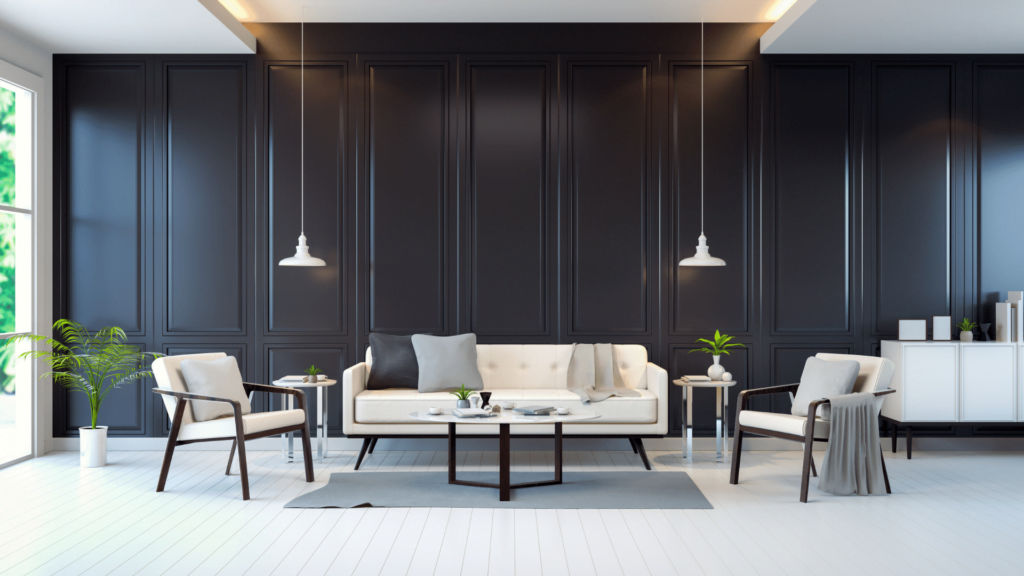
Aluminum products are highly attractive, enhancing the sophistication and elegance of any space. They are ideal for offices, retail stores, apartments, and homes. Moreover, aluminum comes in a variety of finishes and colors, making it suitable for a wide range of applications to match any design preference.
Waterproof and Odor-Free
Aluminum foil as thin as 0.0007 mm can be used for food packaging — it is durable and waterproof, preventing contamination and exposure to foreign odors. It also blocks ultraviolet radiation.
Furthermore, aluminum is non-toxic and odor-free, making it ideal for the production of food or pharmaceutical packaging. Food and beverage manufacturers can also use recycled aluminum to reduce carbon emissions released into the atmosphere.
Non-Magnetic
Aluminum is non-magnetic, making it useful for producing electrical protection equipment such as computer hard drives, satellite dishes, electrical conductors, or magnetic shields.
Non-Toxic
Aluminum is non-toxic and is therefore commonly used in the production of frying pans, pressure cookers, and other cookware to ensure the highest safety standards. It is also easy to clean and does not contaminate food.
Vibration Dampening and Sound Insulation
Aluminum has excellent sound-insulating properties and is used in the production of ceiling panels. It is also used in automotive bumpers due to its vibration-dampening capabilities.
Non-Sparking
When aluminum comes into contact with other aluminum or materials that do not contain iron ore, no sparks are generated, significantly reducing the risk of fire when used in residential settings.
Recyclability
Aluminum is a remarkable material — strong, durable, flexible, impermeable, lightweight, corrosion-resistant, and 100% recyclable. In fact, aluminum can be recycled indefinitely without any loss of quality, which is why two-thirds of all aluminum ever produced is still in use today. Since recycled aluminum is significantly cheaper than newly produced aluminum, it is popular among manufacturers looking to reduce costs. Recycled aluminum is produced in various forms and used across a wide range of products. Aluminum also saves more energy during recycling than any other material, using only 5% of the energy required to produce pure aluminum from bauxite ore. Aluminum can be recycled and reused repeatedly without losing its properties or quality, making the recycling process energy-efficient and cost-effective — an attractive proposition for manufacturers, end users, and environmental conservationists alike.
Customizability
Using aluminum for interior design or renovation has long been a preferred choice for most consumers, thanks to its innovative nature and reliable functional properties. The premium appearance of aluminum conveys premium quality, and many high-end brands have adopted aluminum in their designs with striking aesthetics and distinctive shapes to attract consumers. In addition, its recyclability is yet another reason why environmentally conscious consumers choose products made from aluminum.