Aluminium Size for Standard Glass Panel Sets
The aluminium size for standard glass panel sets does not need to bear much weight, so it can be thinner than other types. Aluminium at 1.00 mm thickness can be used. This size for glass panels does not require great thickness, so you don't need the thickest option, which also helps save costs.
Aluminium Size for Large Sliding Door Sets
Large sliding door sets are heavier than standard glass panel sets, so the aluminium size needs to be thicker for safety and better weight-bearing capacity. A thickness of 1.20 mm is sufficient for large sliding door sets.
Aluminium Size for Heavy-Duty Glass Panel Sets
For glass panel sets that need to bear heavy loads, the aluminium size must be increased further, nearly double that of large sliding doors, to 2.00 mm, to enhance weight-bearing performance.
Why You Must Choose the Right Aluminium Size for Your Application
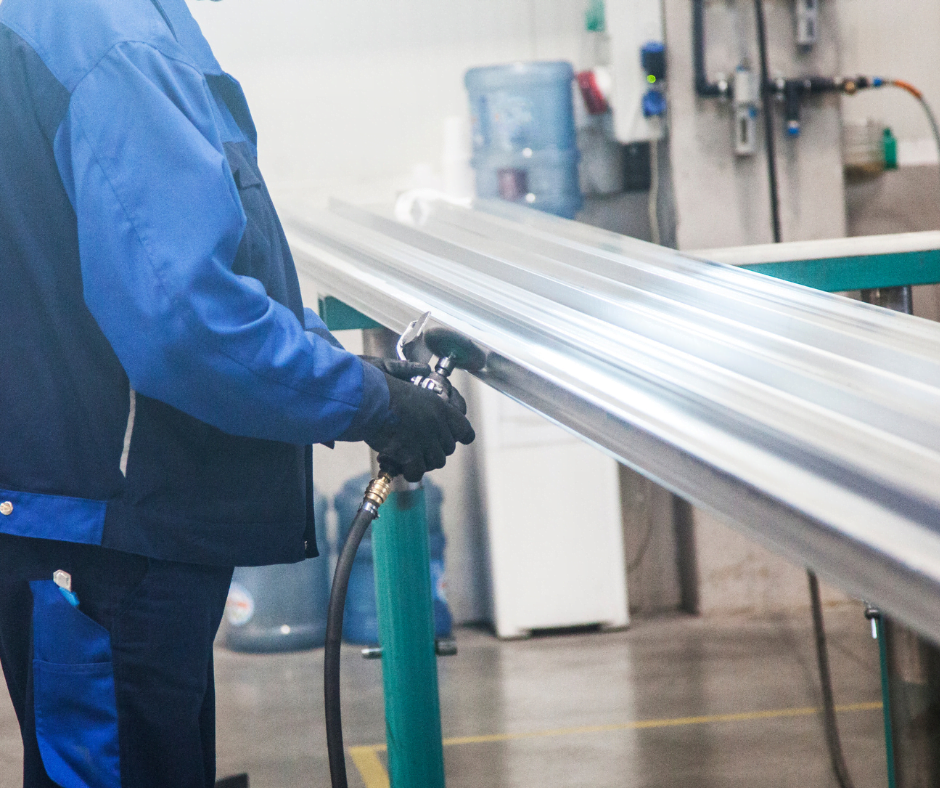
Different applications use aluminium of different sizes. For example, construction should use larger aluminium sizes for structural components, while decorative materials use smaller sizes. Columns, doors, and windows all require different aluminium sizes. However, the important thing is to have calculations by knowledgeable and experienced professionals in the relevant field, whether in construction, transportation, packaging, or the electrical industry. Regardless of the application, having expert consultation is essential to ensure each type of work is complete, correct, and safe for use.
Different Aluminium Sizes Have Different Prices
Aluminium of different sizes naturally has different prices for each piece, as larger sizes require more material. Larger aluminium will be more expensive than smaller sizes. However, regardless of what you use the aluminium for, the most important consideration is whether it can serve its purpose effectively and bear structural loads well, or whether it is suitable for the specific application. Therefore, you should prioritize suitability over price.
What to Consider Before Buying Aluminium
Before purchasing aluminium, you must consider the size and thickness, as different structures and applications require different sizes. It is essential to choose the right type for each application, as using the wrong type can be dangerous. For example, if you choose aluminium that is too small and thin for building or house structures because it is cheaper, it could cause the structure to collapse. Therefore, choose appropriately before purchasing to avoid problems later.
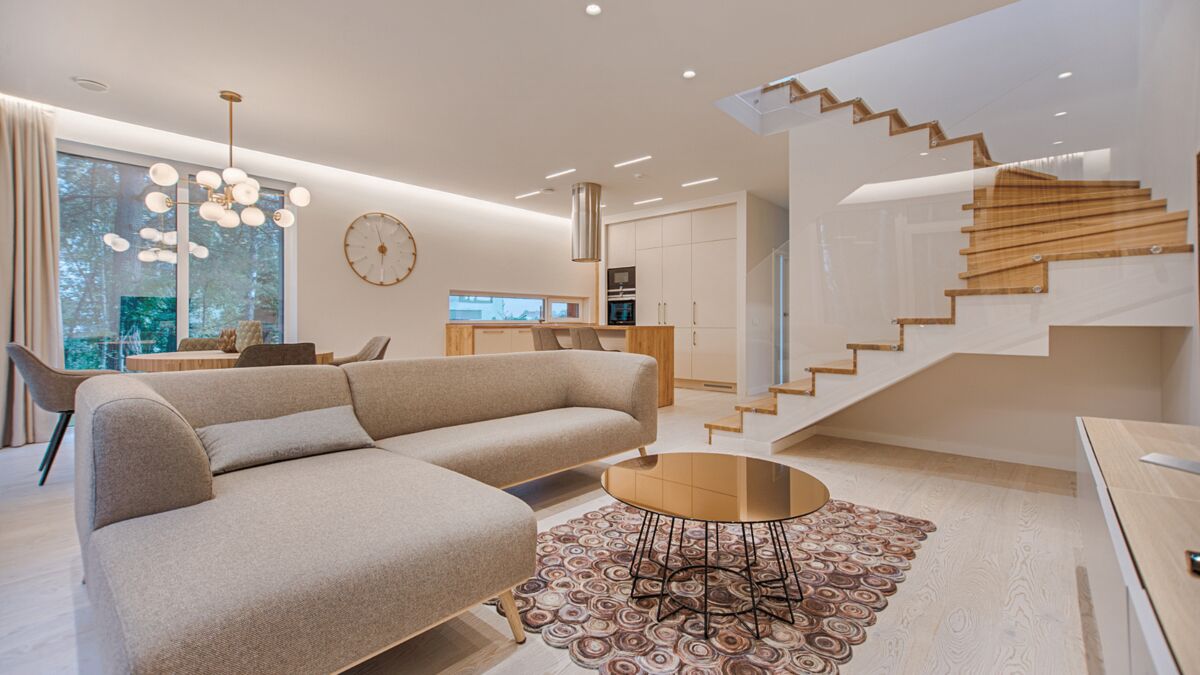
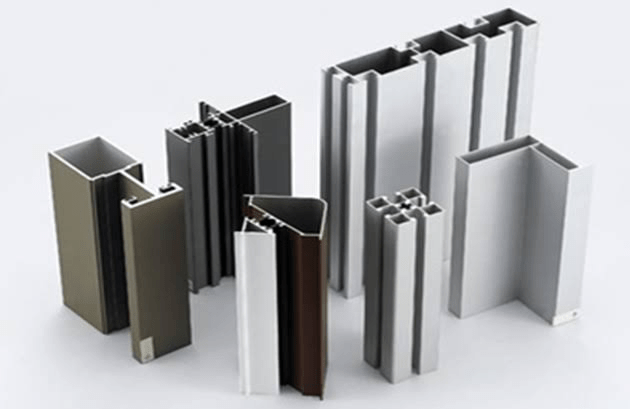
Aluminium is a strong metal with a non-glossy appearance, is non-toxic, and non-magnetic. Its key features are lightweight yet strong and durable. It can be formed and colored, making it popular in construction for doors, windows, glass, ceilings, and many more applications. Today, aluminium is highly popular in house construction due to its beauty, convenience, and easy installation, with diverse styles. Combined with the current high prices of wood, aluminium has become an essential component in building houses and structures of virtually all types.