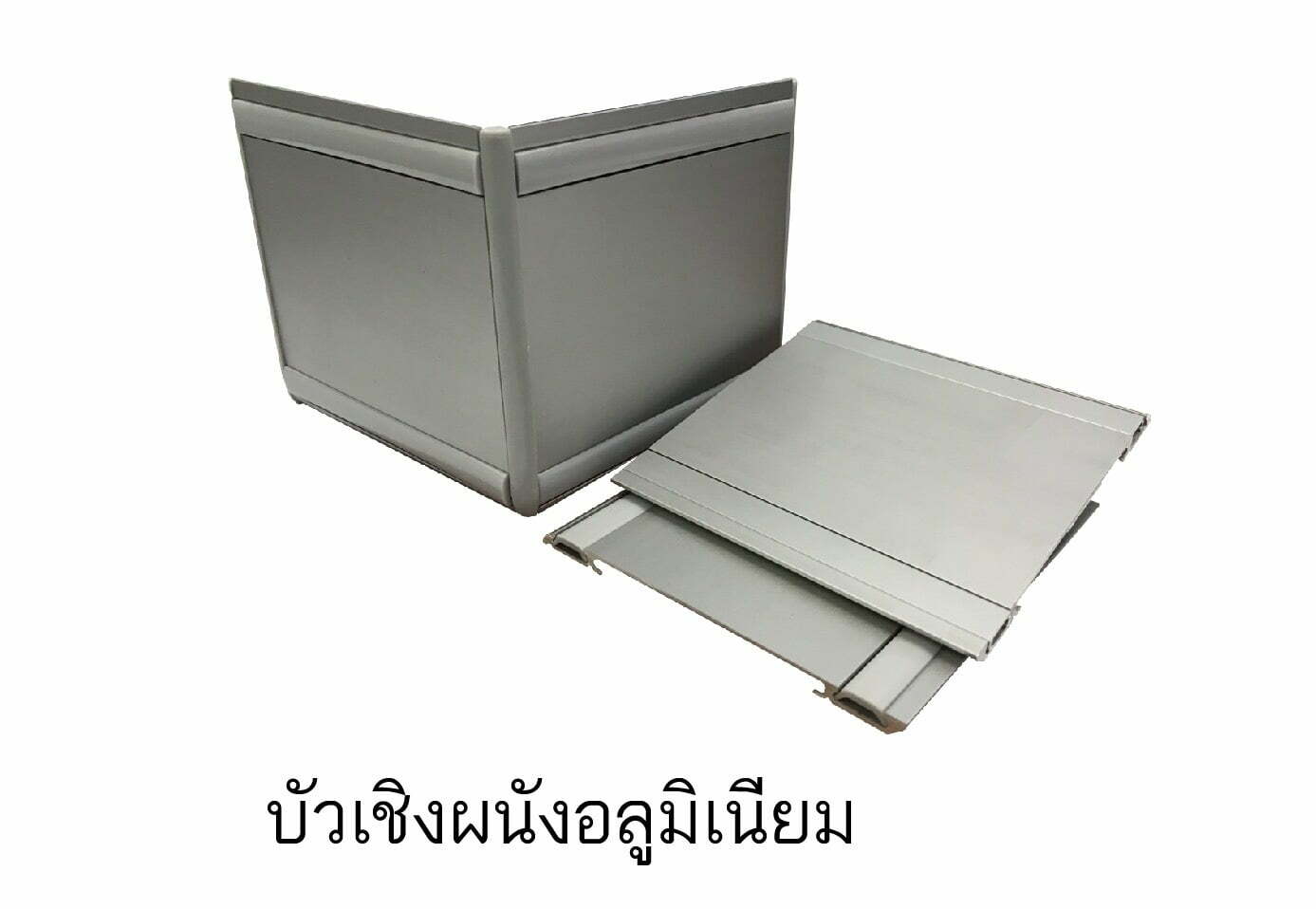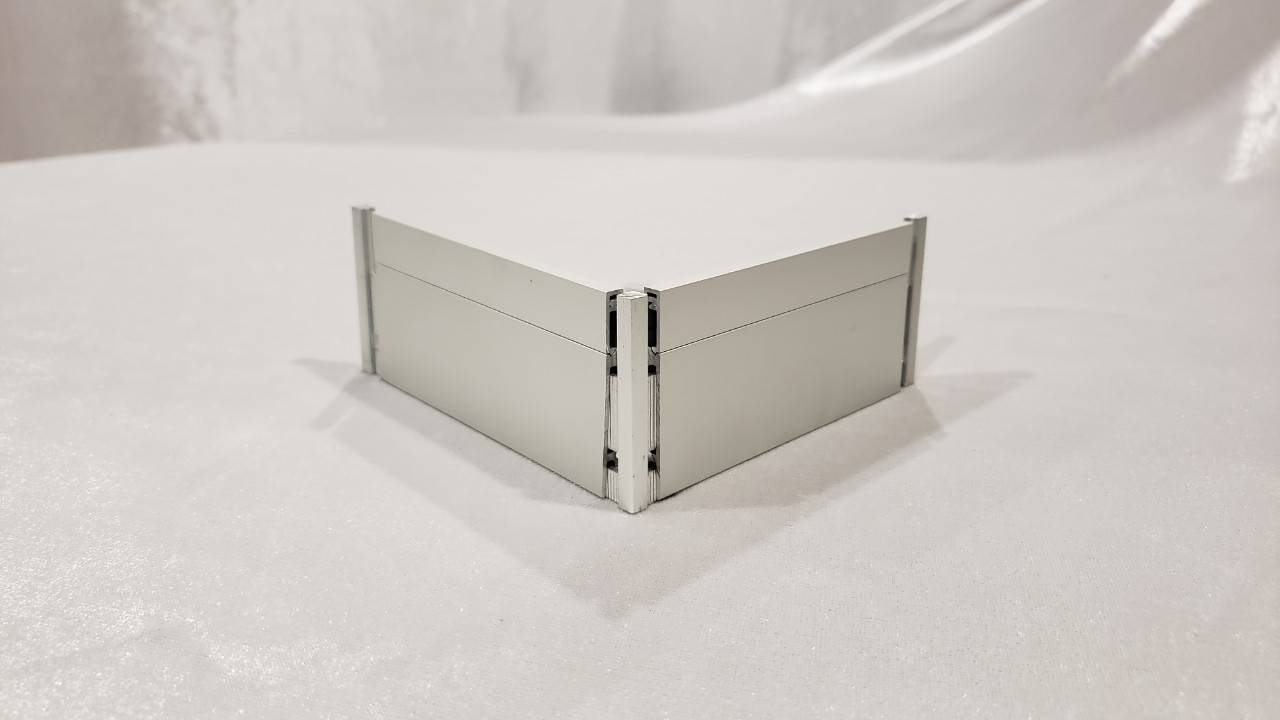
Aluminum baseboards — before we discuss aluminum baseboards, let us first go back to the basics of what baseboards are, which part of the house they belong to, and how important they are. Before we can address the types available and the benefits of aluminum, we need to lay the foundation for the reader to understand why aluminum baseboards are the right choice.
Baseboards are one of the components of a house. Their primary purpose is aesthetic, but they actually serve many additional functions. These include protecting wall paint from damage, preventing stains from accumulating at floor edges — which makes cleaning increasingly difficult — and covering the expansion gap between the floor and the wall to prevent flooring materials from warping.
Having understood the benefits of baseboards, let us discuss the materials used to make them. Traditionally, baseboards were made of wood, but due to the damage that wood can sustain, more durable alternative materials have been developed. One of these is aluminum baseboard, which is resistant to impact, pressure, water, and moisture. Its smooth, glossy surface makes it easy to clean and wipe down without leaving marks.
Besides aluminum baseboards, baseboards can also be made from composite wood, PVC wood, polystyrene, and fiber cement. Each material has its own strengths and weaknesses, and some materials are not suitable for certain types of baseboards. This is why it is important to research which baseboard type is appropriate for each application, as baseboards come in many forms depending on where they are used.
Having discussed the variety of baseboards available, we now know that different types use different materials. We have also touched on the various baseboard styles. Here are some examples of baseboard types encountered in everyday life: aluminum floor baseboards, aluminum wall base skirting, aluminum room transition pieces (Joint), Transition pieces, Outside Corner pieces or L-shaped covers, and Stair Nose covers. As we can see, even everyday baseboards come in many different forms. These are just the commonly used types, and each type requires different materials. For example, an outdoor staircase requiring a Stair Nose cover would not be well-suited to a wooden product — aluminum would be the better choice. Aluminum baseboards are therefore especially important for heavy-duty outdoor applications where water exposure is a concern. Given the varying durability of different materials, it is advisable to consult an expert, such as an aluminum technician, to select the right baseboard for the job. Aluminum baseboards are versatile and suitable for homes, office buildings, and even public spaces — usable both indoors and outdoors.
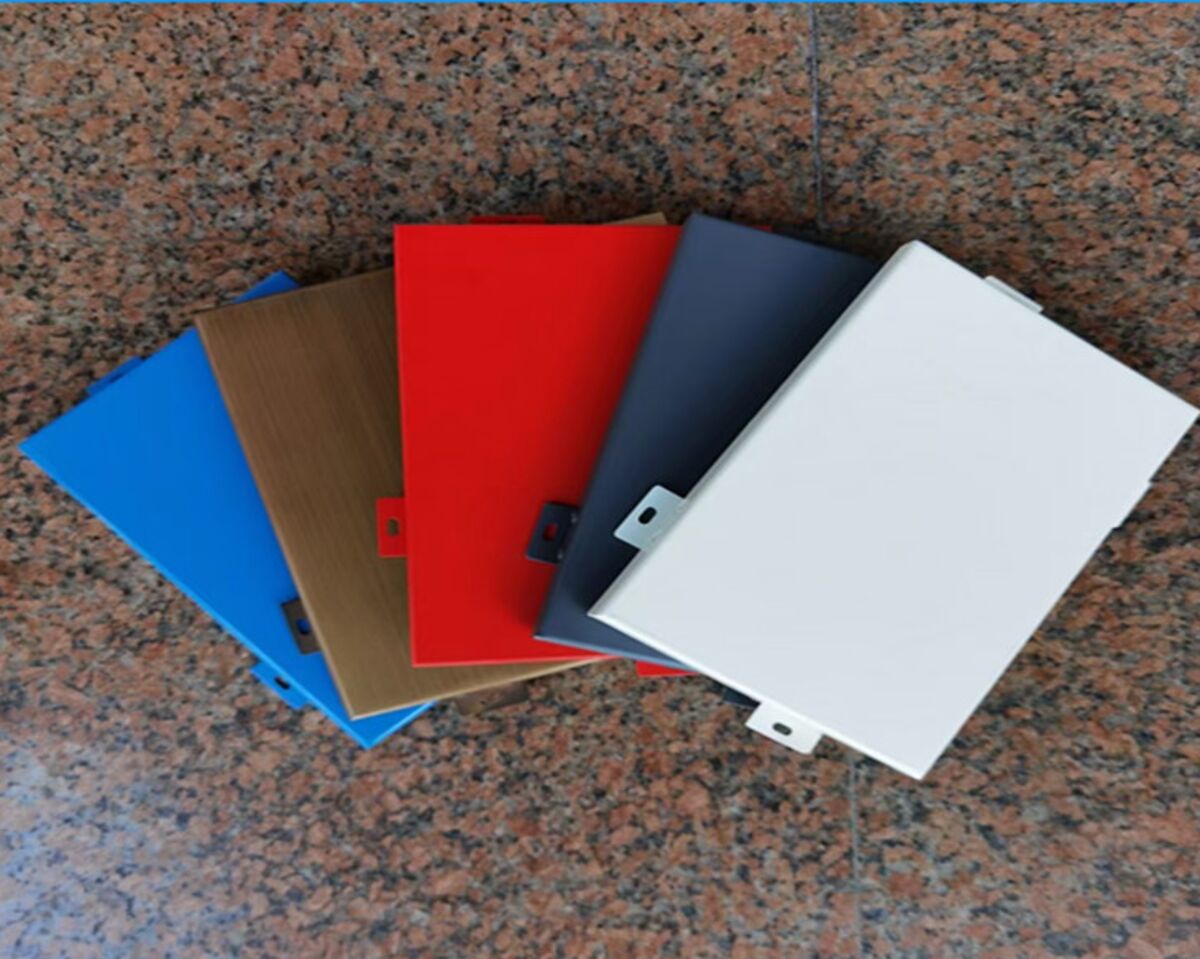
Color Variety in Aluminum Baseboards
With increasingly diverse finishing techniques, coloring methods have evolved to include anodizing and powder coating, giving aluminum baseboards a wider range of colors and patterns. There are even faux wood-grain finishes, allowing for beautiful interior decoration that mimics real wood but is far more durable. Aluminum baseboards are lightweight, impact-resistant, corrosion-resistant, easy to wipe clean, and pressure-resistant — making them a favorite among interior designers for their ease of use, versatility, durability, and affordability.
Given the versatility of aluminum baseboards, we would like to present some ideas for using different baseboard types to enhance the beauty, durability, and safety of your home.
Aluminum Wall Base Skirting or Floor Baseboards
This is the most basic type of baseboard, widely used in homes and buildings with interior decoration. It adds dimension to a home's appearance.
It prevents the edges of the house from looking bare and undefined, covers expansion gaps left for parquet or tile flooring, and makes the wall base easier to clean.
Aluminum Stair Nose Cover
This is another common type of aluminum baseboard, no less popular than wall base skirting. It is widely used on tiled staircases to protect against sharp or damaged tile edges. This piece is installed at the edge of stair treads. The aluminum stair nose cover is strong and durable, softening the edge of tiled stairs and reducing the risk of slipping between steps. It is a highly functional type of aluminum baseboard with comprehensive benefits.
From the examples of aluminum baseboard applications mentioned above, there are many other innovative uses that you might not have expected. These include floor leveling, enabling smooth rolling of wheeled carts by creating an even surface, or using curved transition pieces between rooms for smoother movement when changing floor surfaces. This discussion has focused on functional benefits without even touching on the aesthetic dimension of design, which can transform an ordinary home into one with added character and modern beauty.
If you are planning a renovation in the future to update and modernize your home, consider using aluminum baseboards in your design for beauty and added safety — wherever aluminum baseboards can be applied. There are still many more innovative applications that we have yet to cover.