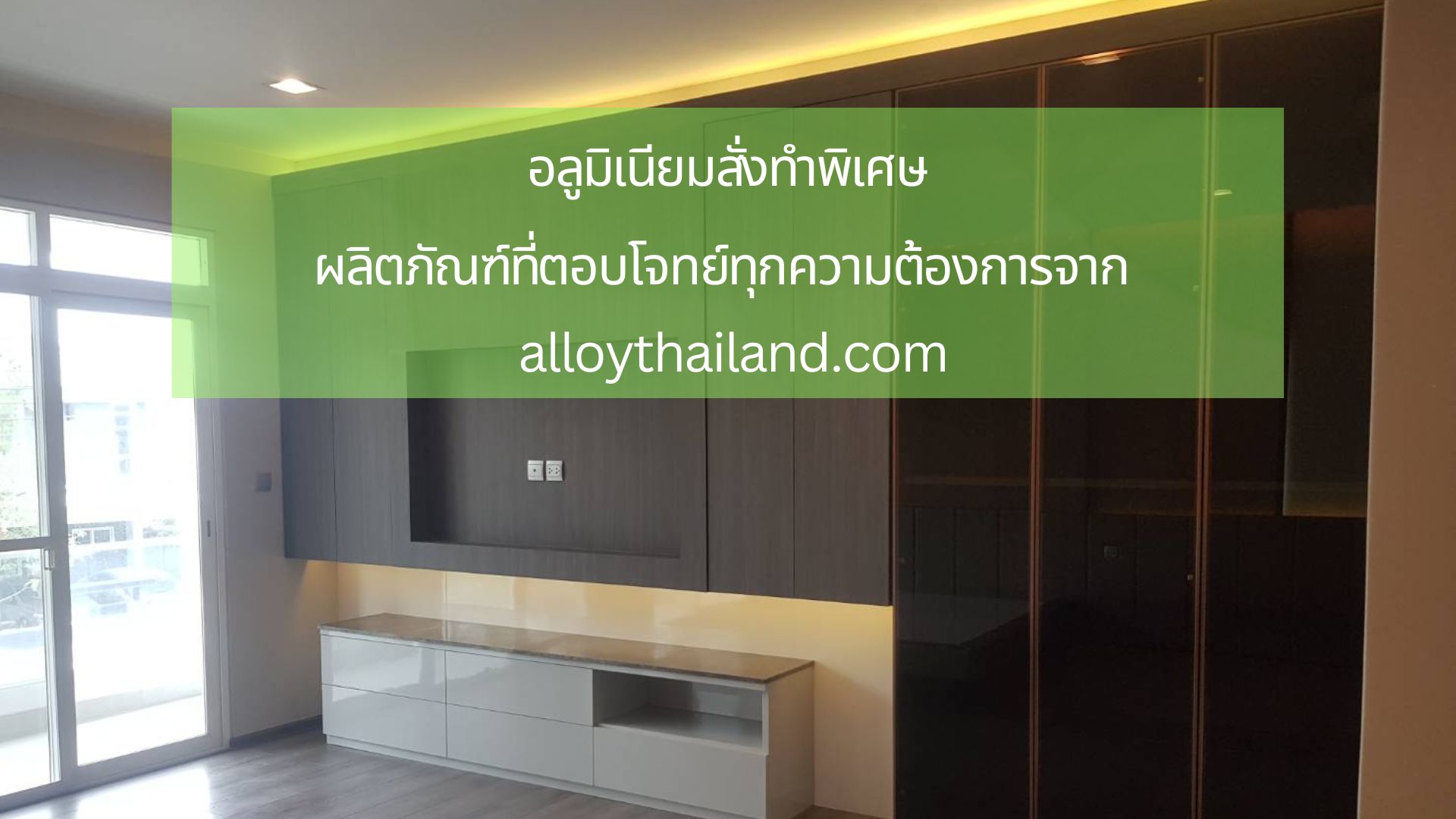
Choosing aluminum wall systems is a practical solution for interior design and decoration when an existing area needs to be arranged so it can support real working needs. Here are useful ideas for starting a new building layout plan.
Anodized and color-coated aluminum is a quality material with rust resistance, lighter weight, and the ability to be formed and assembled into many shapes according to design requirements and usage objectives. For interior decoration and building layout planning, aluminum is one of the main materials that can adapt to many design ideas, building functions, and space conditions.
Define Needs and Manage Space with Aluminum Walls
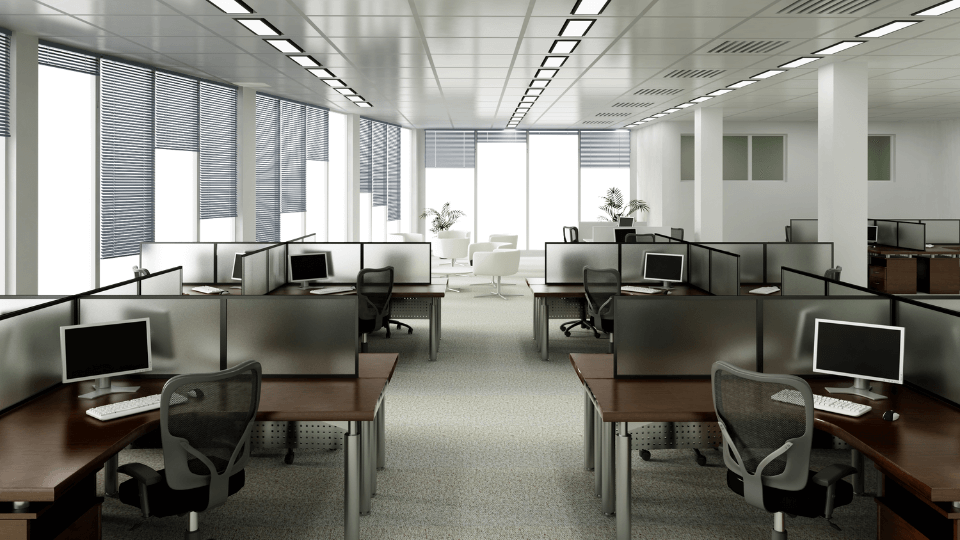
- Buildings and usable areas are limited resources. To fully support work requirements, start by defining needs as the main design brief, then plan how much space each point or function requires.
- Begin by dividing usable areas clearly, finding the balance between each function, and prioritizing limited space. Once this is complete, you will have a building plan that can move into the next step of installing aluminum walls.
The key point in space planning is necessity. If some functions cannot be removed, consider which areas can also work as co-working spaces.
A Versatile and Efficient Material
- Aluminum's forming and assembly properties allow it to be made into many different items. In addition to using aluminum as building walls, it can also be used for various aluminum swing doors that answer different usage needs.
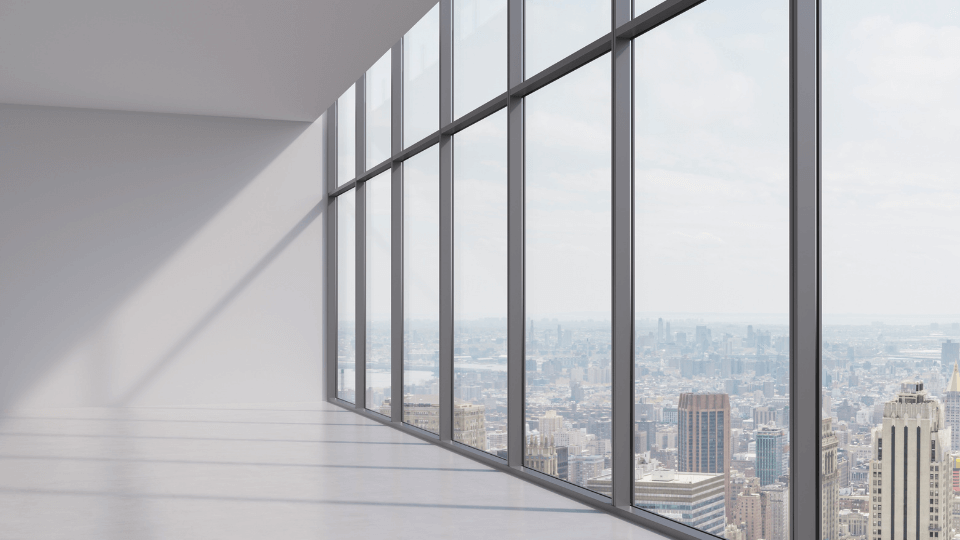
In addition, building walls, doors, and windows that use aluminum as the main material can be customized in many ways depending on the materials combined with them, such as walls with windows or glass panels. This helps the wall perform more efficiently than simply dividing a work zone.
Beauty You Can Choose Yourself
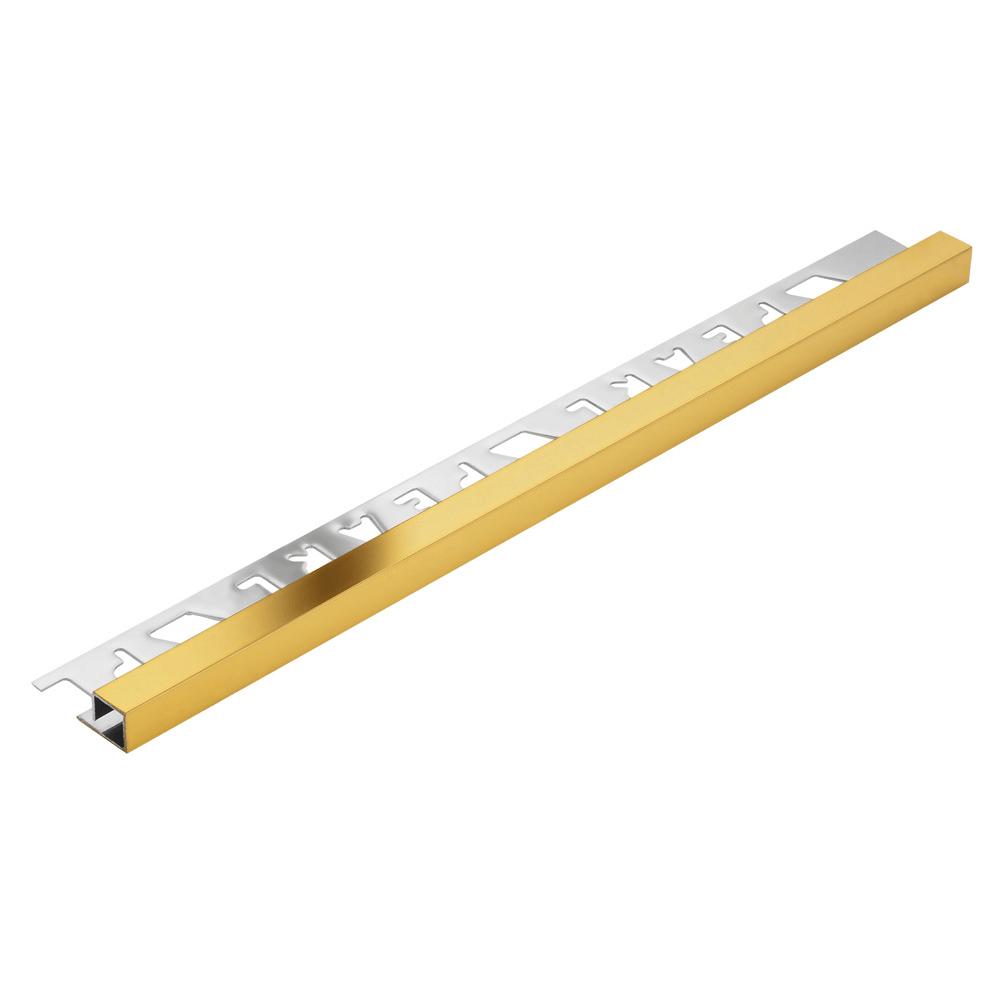
- Color-coated aluminum is a metal that can be anodized or coated in different colors. This makes it possible to create building layouts that do not only answer the needs of residents and workers, but also create a pleasant environment for living and working, which directly supports work efficiency.
Another interesting point is that the aluminum coloring process does more than create beauty. It also helps reinforce the durability of the aluminum surface.
The heart of building layout design is creating spaces that answer real usage needs, so limited areas can be used efficiently. The chosen material must support many requirements, and walls or components made from aluminum are the right solution for this purpose.