Aluminum Alloys
History, Metallurgy, and Modern Interior Design Applications
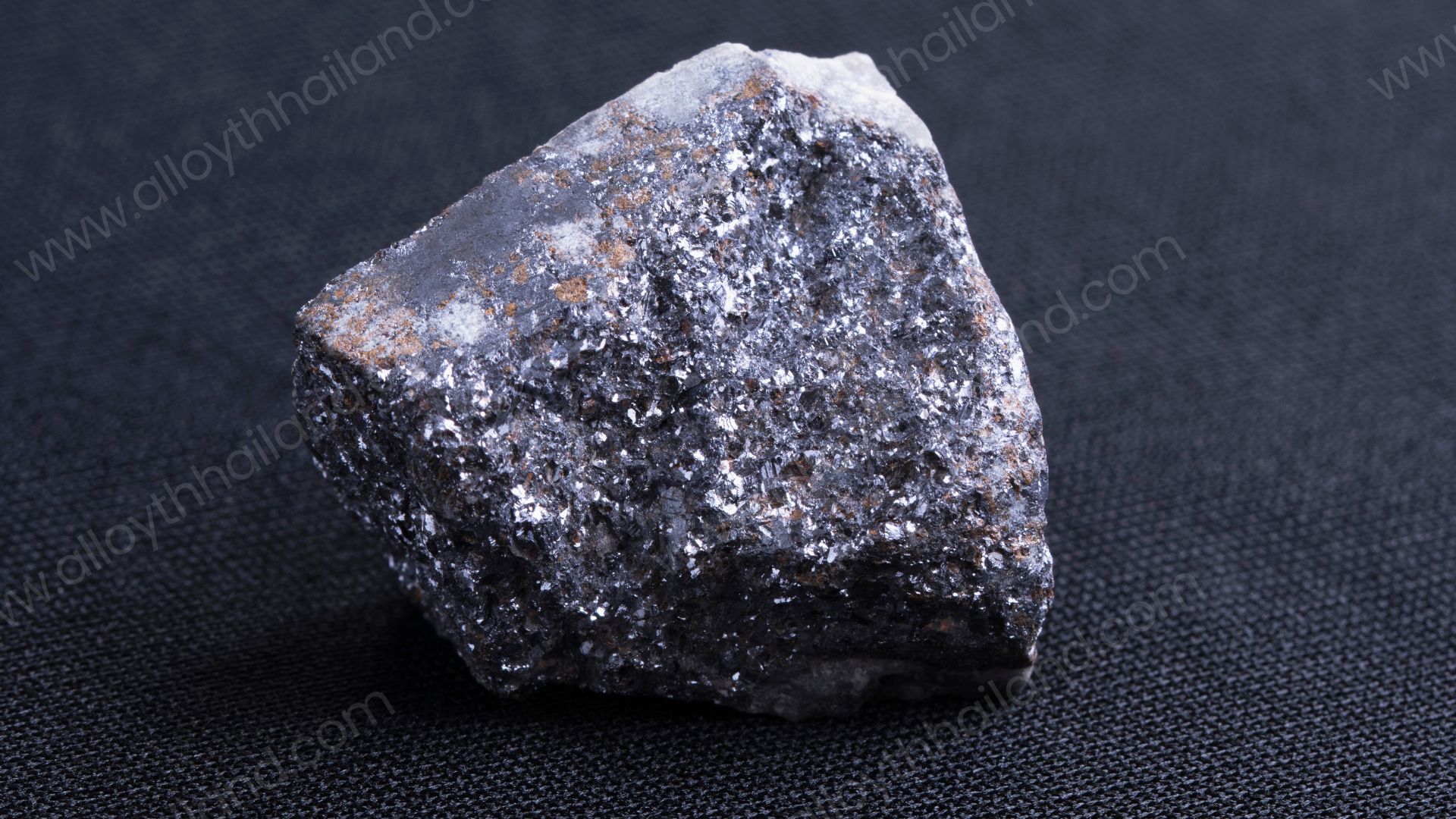
Aluminum alloys are widely popular materials across many industries, from aerospace to interior design. In this article, we explore the history of aluminum alloys, the metallurgical compositions that give them their outstanding properties, and their increasingly popular applications in the interior design industry.
History of Aluminum Alloys

Aluminum was first discovered in 1825 by Hans Christian Oersted, a Danish chemist. However, pure aluminum was not widely used in industry due to its low strength. In the late 19th century, scientists began developing aluminum alloys by combining aluminum with other metals such as copper, magnesium, silicon, and zinc to enhance strength and durability.
In the early 20th century, aluminum alloys gained massive popularity in the aviation industry because the material is lightweight yet strong, enabling aircraft to fly farther and consume less fuel. Beyond aviation, aluminum alloys were also adopted in automotive, construction, and interior design industries.
Metallurgical Formulas for Aluminum Alloys
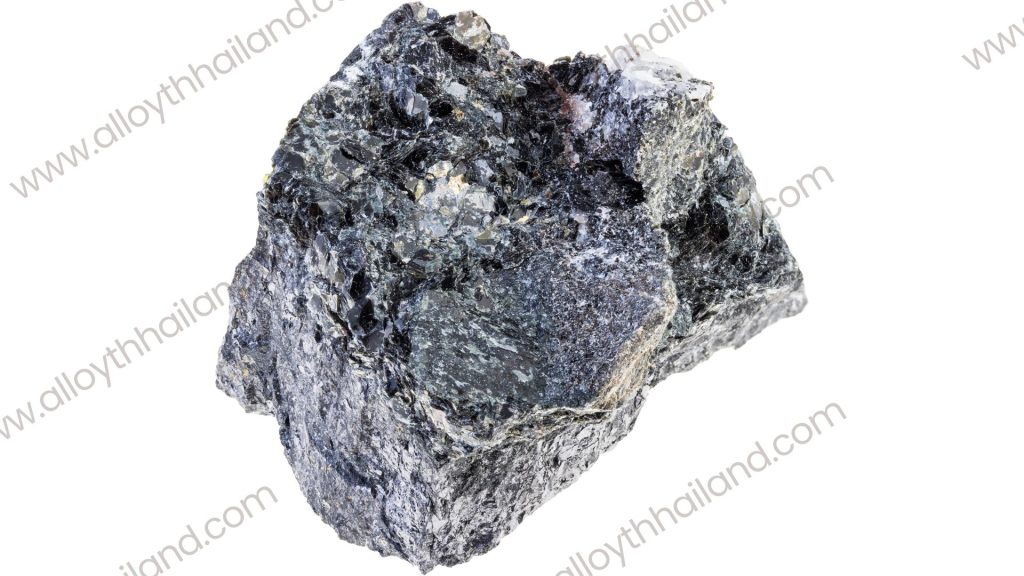
Aluminum alloys come in various types depending on the metals used in production. Combining aluminum with different metals produces alloys with distinct properties. Generally, aluminum alloys can be divided into two main categories: the 2xxx, 5xxx, 6xxx, and 7xxx series.
- Aluminum Alloy Series 2xxx (Al-Cu Alloys)
This series combines aluminum with copper. It offers high strength and excellent fatigue resistance, making it ideal for structural applications requiring high strength, such as aerospace components.
- Aluminum Alloy Series 5xxx (Al-Mg Alloys)
This series combines aluminum with magnesium. It provides outstanding corrosion resistance, making it well-suited for applications exposed to high-salinity environments, such as marine vessel and shipbuilding.
- Aluminum Alloy Series 6xxx (Al-Mg-Si Alloys)
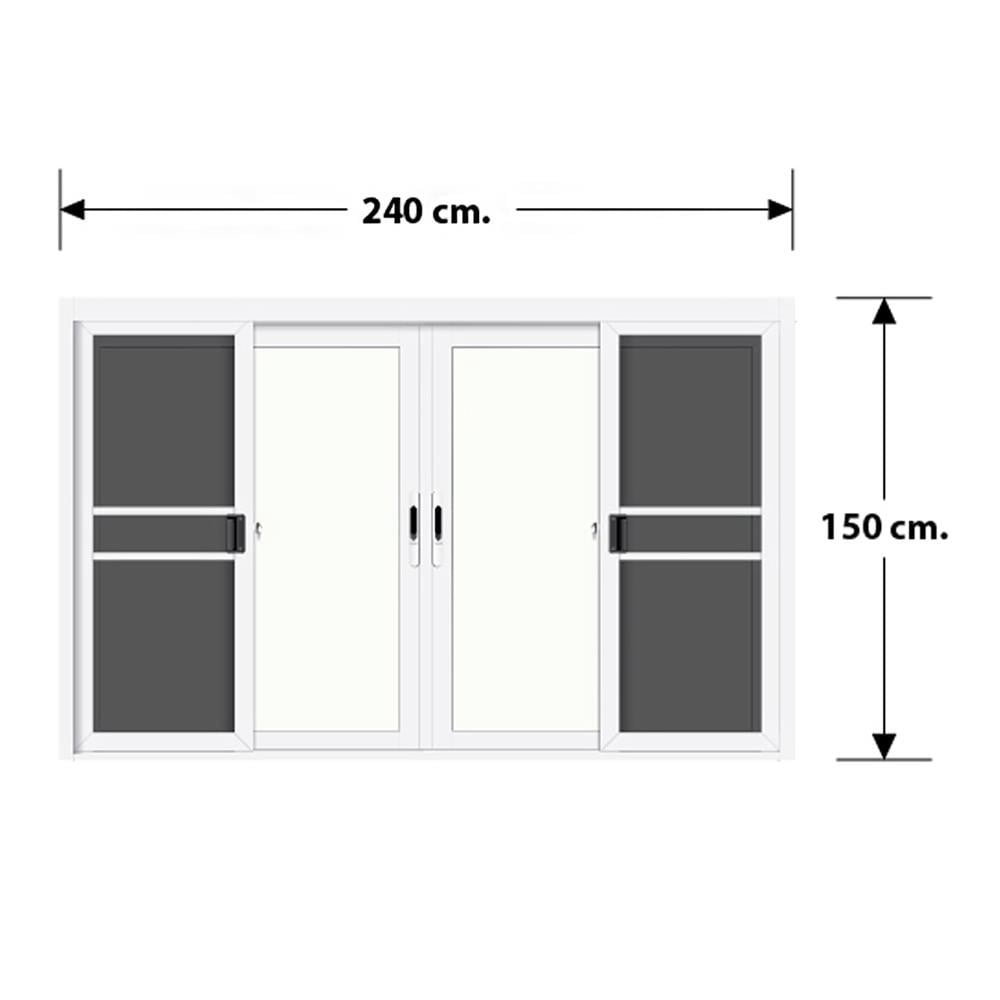
This series combines aluminum with magnesium and silicon. It offers a well-balanced combination of strength and corrosion resistance, making it suitable for structural and interior applications such as window and door frames.
Aluminum Alloy Series 7xxx (Al-Zn Alloys)
This series combines aluminum with zinc. It delivers the highest strength among all aluminum alloy series but has lower corrosion resistance. It is ideal for applications requiring exceptional strength, such as aerospace structural components.
For more information about metallurgical formulas for aluminum alloys, visit ASM International.
Applications of Aluminum Alloys in Interior Design
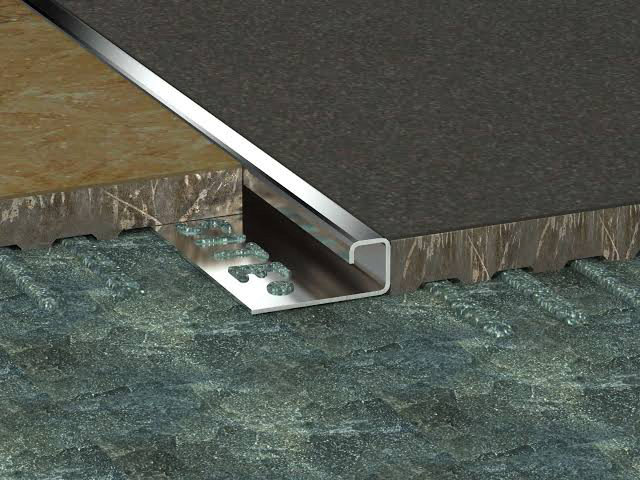
Aluminum alloys have become a popular material in interior design thanks to their outstanding properties, including strength, lightweight, and corrosion resistance. Additionally, aluminum alloys can be shaped and customized to achieve the desired aesthetic appeal. Examples of applications in the interior design industry include:
- Furniture
Aluminum alloys are used to produce furniture that requires durability and lightweight, such as chairs, tables, and shelving units. They can also be coated or polished for a beautiful, modern appearance.
2. Lamps and Lighting Fixtures
Thanks to their excellent thermal conductivity, aluminum alloys are used in the production of lamps and lighting fixtures with modern designs and efficient performance.
3. Handrails and Other Decorative Elements
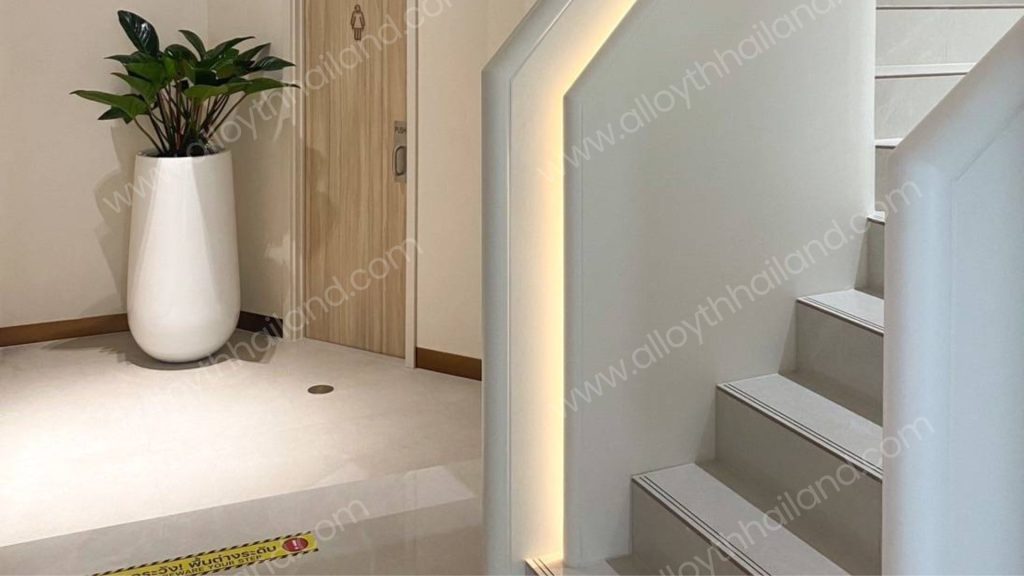
Aluminum alloys are popular for crafting handrails and interior decorative elements that demand strength and long-term durability. They can also be shaped to desired forms and finished with a glossy surface that complements various decorative styles.
Summary
Aluminum alloys are versatile materials with a rich history spanning from their early development in the early 20th century to the present day. They have become essential materials across various industries, including interior design where both aesthetics and durability are paramount. Choosing aluminum alloys for interior design not only enhances the visual appeal of a space but also increases the durability and extends the service life of products.
For more information about aluminum alloys and their applications in the interior design industry, visit AlloyThailand.com