Incorporating aluminum trim into architectural projects is one of the design approaches that helps enhance the beauty and harmony of a space. Although installation and construction require a high level of craftsmanship, this only makes designers and property owners more satisfied with the luxurious aesthetic reflected through simplicity. This article explains the importance of aluminum trim, post-installation maintenance, and decoration ideas that will benefit readers significantly.
The Importance of Aluminum Trim
Trim used in construction has been influenced by Western art. As time passed and design concepts evolved, a wide variety of styles emerged across different regions. The main reason trim is used in construction is to protect the edges of various structures from damage, such as tile edges or wall edges. Installation involves special techniques and methods that make the finished work look seamless and unified. Additionally, trim protects users from sharp edges, making corners look neat, attractive, and uncluttered — creating a sense of confidence and comfort for residents and users.
Popular Types of Aluminum Trim
Installing trim in construction also requires additional materials or equipment. Trim comes in a variety of material types depending on the room's characteristics. Some trim features traditional hardwood, which is easy to maintain. Alternatively, you can choose trim with a painted gloss finish if you prefer not to deal with stain management. More recently, aluminum trim has gained popularity with its stylish and elegant design, perfect for modernizing spaces — and it may even cost you less.
What Is Aluminum Trim?
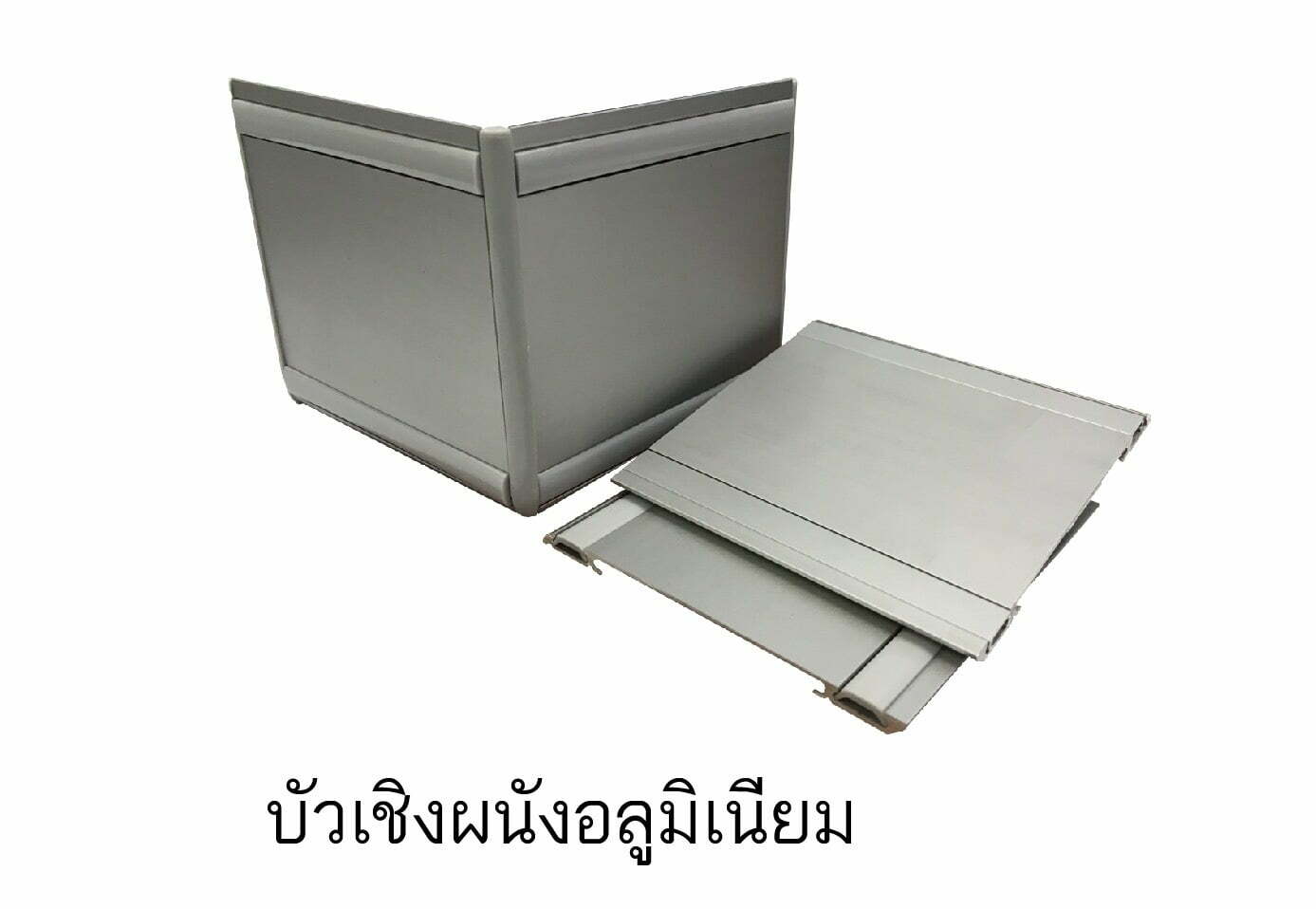
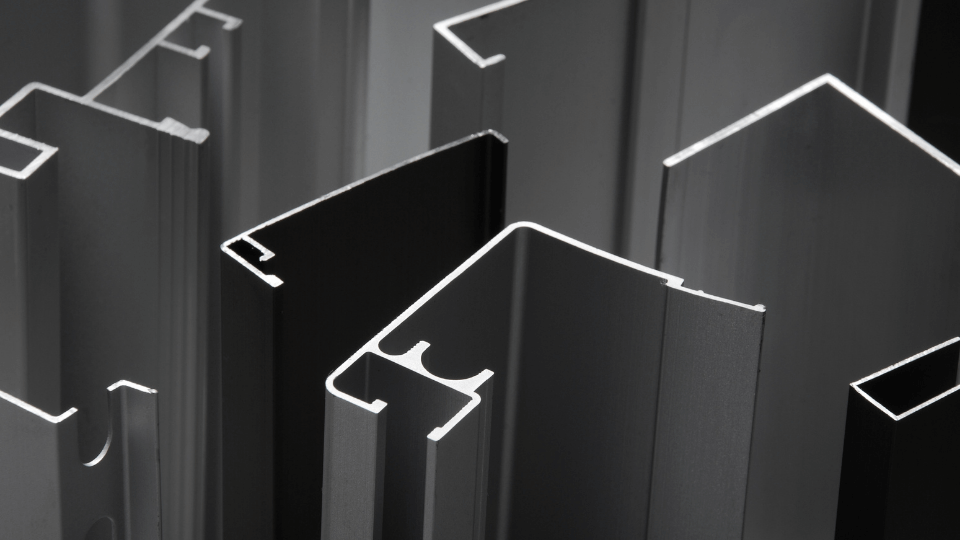
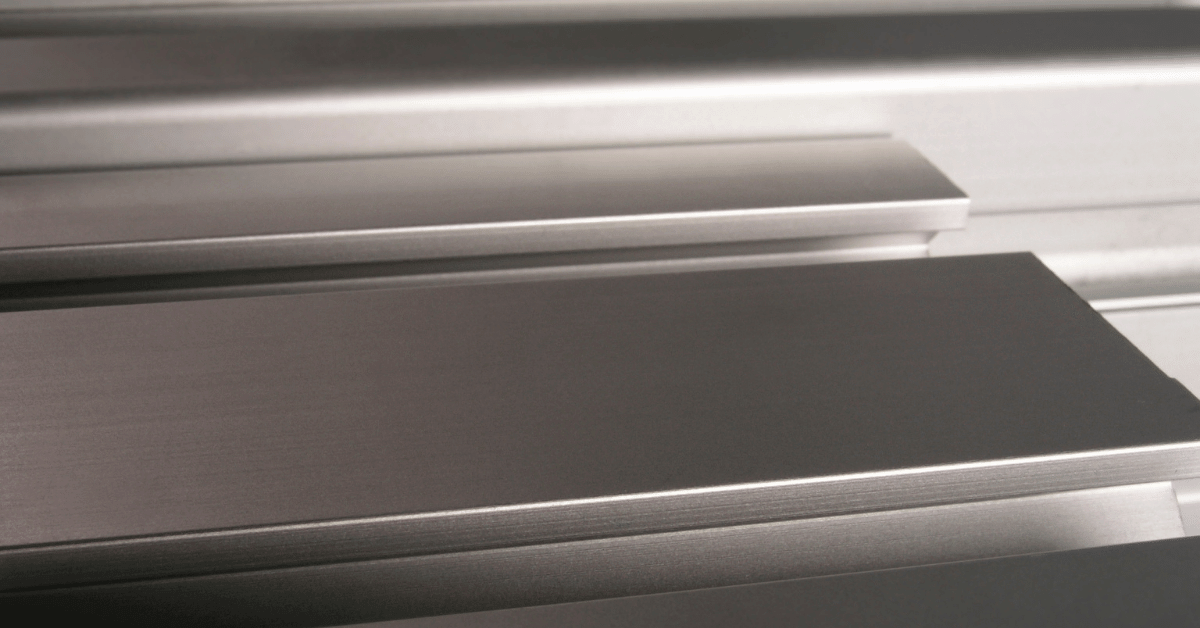
Aluminum trim uses aluminum as the primary material for manufacturing. Today, aluminum trim is preferred over other types due to its durability, strength, and functional flexibility — which is why many professional craftsmen and designers choose it as the primary material for interior decoration.
What Is Aluminum Trim Commonly Used to Decorate?
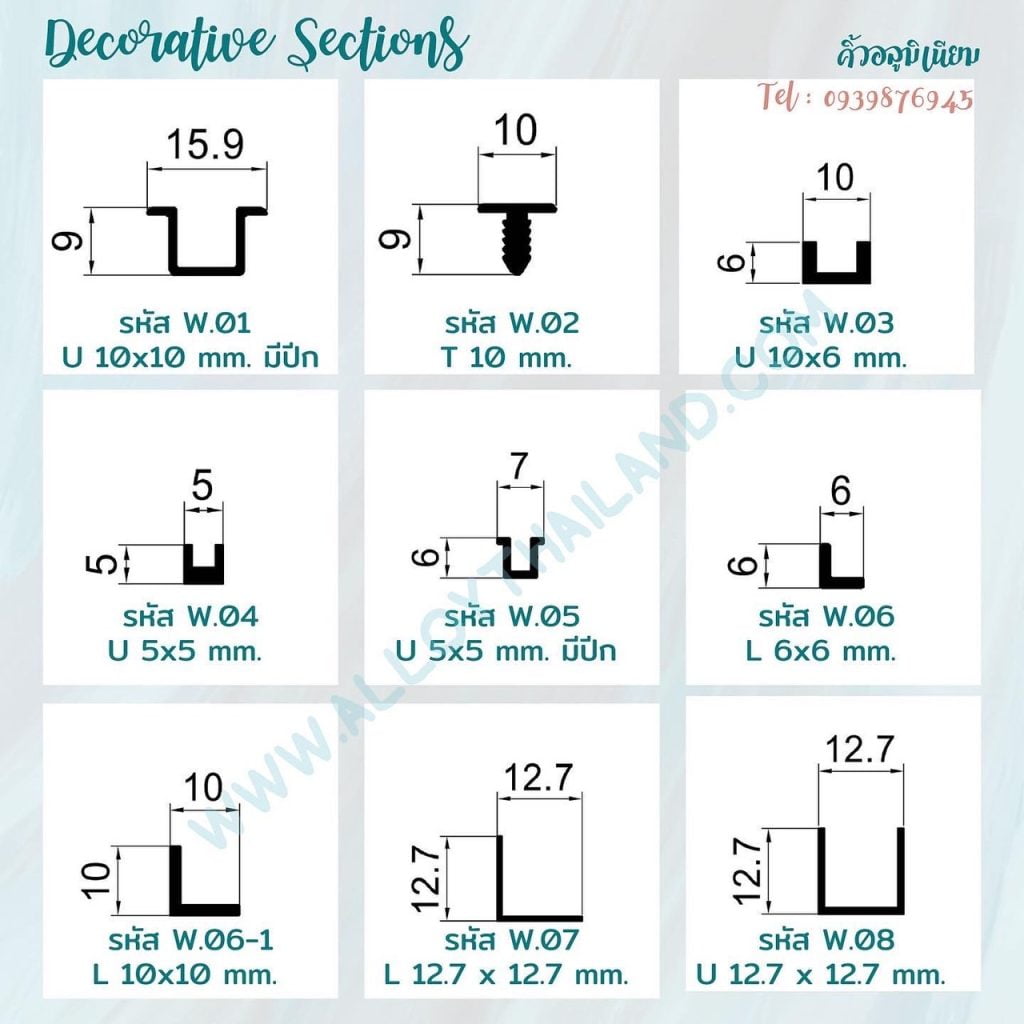
- Carpets or Hallway Edges — You may have seen this type of aluminum trim at luxury hotels or offices. It enhances the proportion and beauty of hallways. This trim is known as T-Shape Aluminum Trim W.02.
- Furniture — Aluminum trim is widely used in furniture applications, as it helps seal furniture edges for added strength while enhancing the design aesthetics.
- Walls — This is perhaps the most commonly seen application. Aluminum trim not only strengthens the top and bottom edges of walls but also helps create decorative patterns that add meaning and character to wall surfaces.
- Stairs — Stair edges should not be overlooked, especially regarding safety. Aluminum trim helps reinforce and reduce the sharpness of stair edges with its elegant design.
Benefits of Using Aluminum Trim with Curtain Rails
Choosing curtains for home decoration can be a stressful process, especially since curtains are such an important part of window treatments. You may notice that homemakers spend most of their time selecting curtain rails, frames, and curtains that complement each other. But did you know that "trim" can eliminate this tedious problem?
Trim in this area serves as a decorative piece that frames the top of windows. It helps conceal the corners of window frames while being covered with materials that coordinate with the curtains and walls. The trim focuses on adding tasteful elements to the home, adjusting the structure to look more three-dimensional, and importantly, concealing unsightly materials. Moreover, trim reflects the progress of the construction industry, helping to turn customers' imaginations into reality.
Because trim can be customized to suit your needs, it is an excellent option for those who enjoy changing designs frequently. Simply tell your professional craftsman what you want, and they will be ready to create art using trim to its maximum potential.
Wall Decoration Ideas
As most people understand, adding trim or molding is about creating architectural structures that emphasize both strength and beauty. It is similar to adding accessories to enhance your outfit. Here is a collection of ideas for using trim to decorate walls — let's see which ideas you might apply.
Wall decoration using trim is quite basic, but this simplicity allows experienced craftsmen to develop refined design concepts. In principle, wall trim design should also incorporate "molding" as a key element. Together, trim and molding frame the top and bottom edges of walls to create a beautiful and orderly appearance. Today's aluminum trim stands out with its remarkable durability and strength while offering flexible design adaptation.
Trim works like a picture frame that enhances the completeness of a wall. Whether your home has a modern or traditional style, trim and molding add beautiful elements and help transform walls for a considerable period. However, the design of each home or building requires different sizes and types of aluminum trim. You can consult with trim suppliers nationwide for recommendations.
4 Key Reasons to Use Aluminum Trim in Decoration
- Modern Look: Regardless of your home's structure, trim is an effective tool for enhancing interior design and making it look more complete.
- Creates Beauty: Trim is ideal for adding decorative elements that enhance walls with class and elegance. Guests will feel comfortable and appreciate your sense of style.
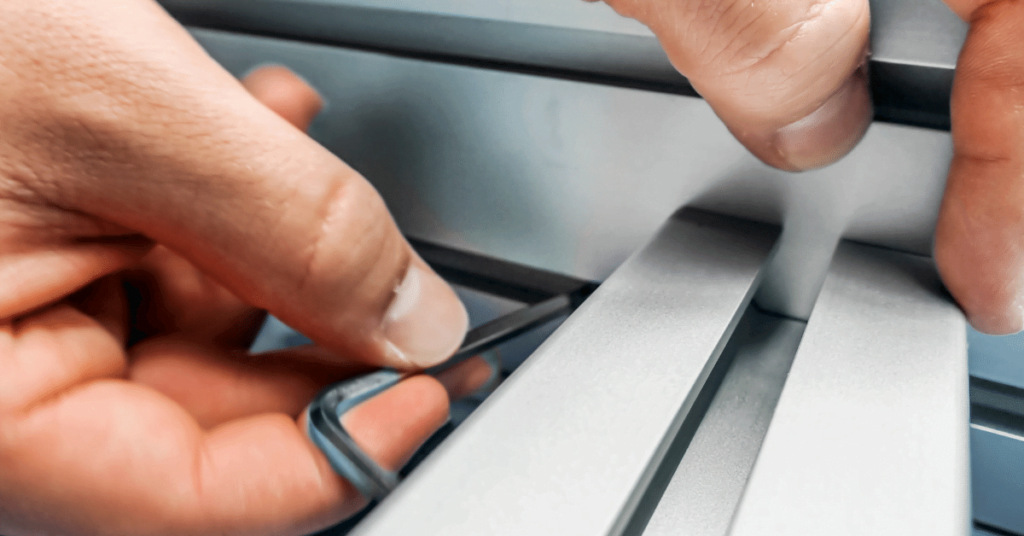
- Easy Installation: This is a major strength of trim! The installation process is very simple — you can observe craftsmen assembling and installing it with ease.
- Increases Property Value: Installing trim is an excellent way to transform an empty room into a valuable space. The beautiful and well-matched design will elevate the overall appearance and value of your home.
Maintenance
Although aluminum trim and other types are relatively durable, you should not neglect maintenance for a longer lifespan. Keep in mind that the more interior decorations you add, the more complex the maintenance becomes. If you use aluminum trim for furniture or hallway edges, you may need to be careful about moisture or impact that could cause the trim to come loose.
Additionally, dust accumulation requires careful cleaning. For walls, especially those at higher positions, you may need to use cleaning tools or equipment. However, when choosing your trim design, you can ask experts for advice about after-installation services or maintenance techniques for your aluminum trim.
Summary of Benefits from Installing Aluminum Trim
- Helps increase interior space, making it look wider and more proportional. Anyone wanting to improve their interior layout in a stylish way can use aluminum trim.
- If you use aluminum trim for wall edge decoration, you will immediately eliminate concerns about installing curtain equipment, as the space needed for curtain frames is no longer required for separate curtain rails.
- The beauty of the top and bottom wall edges looks more balanced and proportional.
- Ceilings will appear taller and wider — this design elevates the entire room layout to a new level.
- Adds light to the interior, as aluminum trim can serve as an indirect source of LED lighting. The diffused light helps the home appear brighter compared to normal surrounding illumination.
- In the future, you can add or enhance the subtle appearance of this area as desired.