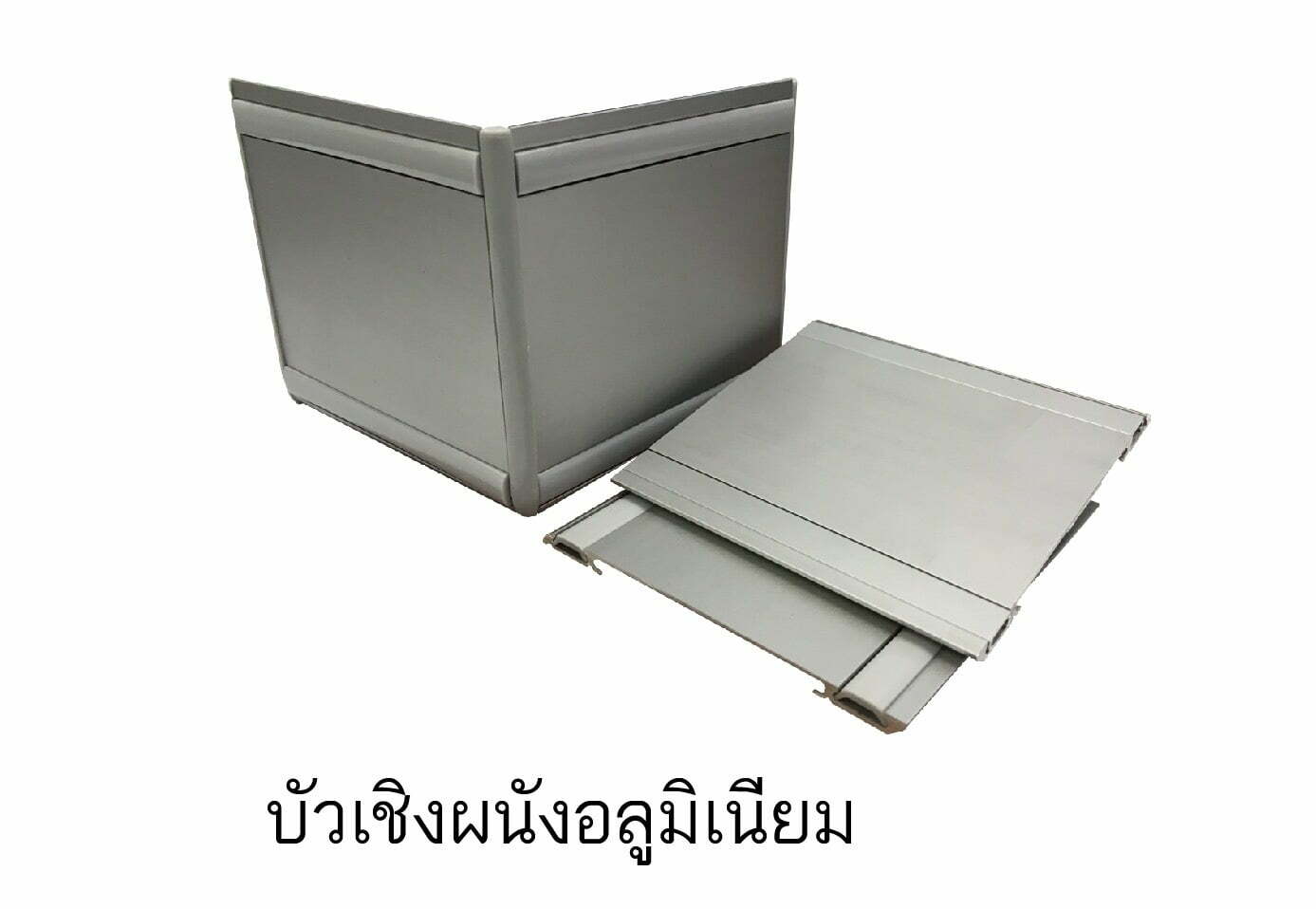
Aluminum trim is one of the lightest yet strongest and most durable materials available. It withstands intense sunlight and harsh weather conditions exceptionally well. This type of trim is ideal for both decorative and finishing purposes, whether for door or glass tracks, or for edging buildings, tiles, carpeting, rugs, stairs, and more.
How to Use Aluminum Trim
In the past, you may have seen wooden trim, plastic trim, or rubber trim, but this article focuses primarily on aluminum trim. Historically, this type of trim was used for decorating buildings, premises, offices, and other service establishments. However, today it has become equally popular for decorating residential homes and living spaces because it is available in a wide variety of styles, colors, and designs, which can enhance luxury and elevate the atmosphere of your home. We will introduce you to the various areas where this type of trim can be applied.
1. Aluminum Tile Edging
Generally used at 90° corners of tile surfaces for decorative purposes and to prevent impact damage. It can also be used to connect between tiles.
2. Aluminum Carpet Edging Trim
Aluminum carpet edging trim is primarily used with carpets, as different carpet thicknesses require seamless connections. Aluminum trim is specifically designed for use between carpet sections — for example, on airport boarding walkways, public corridors of large buildings, and indoor carpeting. It helps protect carpet edges from curling and separation.
3. Aluminum Floor Trim
After floor installation, gaps often remain around the perimeter. These joints are typically sealed using PVC, hardwood, marble, ceramic, or aluminum trim. L-shaped aluminum trim is commonly used for this purpose because it offers color variety, superior aesthetics, and a more natural appearance.
4. Gap Between Flooring and Door Threshold
T-shaped aluminum trim is most commonly placed between the door threshold and the home flooring. The aluminum floor edging is angled, creating a seamless transition between areas of different heights.
5. Aluminum Stair Trim
Installed to protect stair surfaces from damage, prevent excessive slipperiness, and serve as decorative elements for stairs.
Choosing the Right Aluminum Trim for Aesthetics and Functionality
Aluminum tile trim is available in a wide variety of styles today, each serving a different function. The first step is to choose the right aluminum edging for your tiles, which benefits long-term use and enhances safety.
1. Edge Trim
Helps protect the edges of expensive materials such as ceramic and marble. It is a simple solution that also serves as excellent decorative edging for ceramics.
2. Straight Profile
The simplest solution for ceramic edge decoration, usable on both floors and walls to protect edges from damage.
3. Internal Corner Trim
Aluminum internal corner trim is commonly used in kitchens. Its advantages include easy cleaning, reduced dirt and bacteria buildup, and excellent heat resistance.
4. Ramp Trim
Ramp trim is designed to address height differences between tile or marble flooring. It can be used with wood, laminate, and concrete floors.
5. Square Profile Trim
Aluminum square tile trim offers a modern design, accommodates diverse applications, and is often used for wall corner protection.
6. Bullnose Trim
Used for edge protection on wood, laminate, concrete, or terrazzo floors.
7. Balcony Trim
Designed to prevent water stains and debris from falling into unwanted areas.

Care in Installation Ensures Long-Term Hygiene
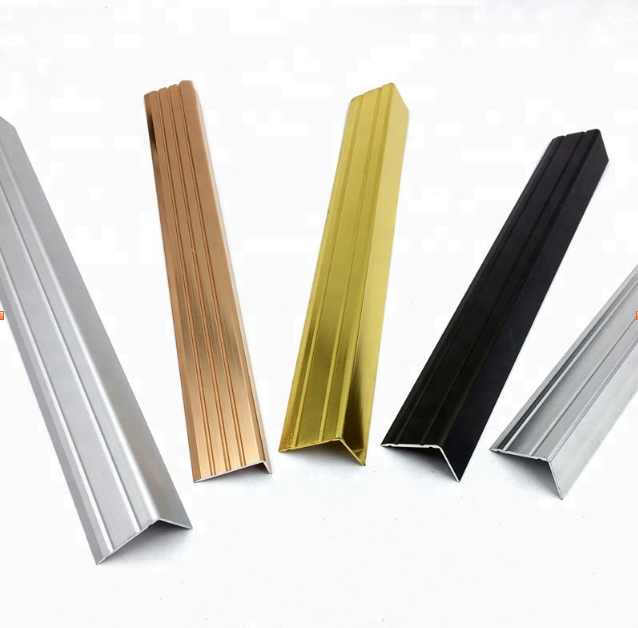
Although this is a small component, it can help preserve and maintain the beauty of your home for many decades. The advantage of using aluminum is that it requires minimal maintenance — it is inherently strong and prevents rust formation, offering excellent corrosion resistance. Importantly, today it is available in many colors, such as...
- Matte black
- Glossy black
- Rose gold
- Yellow gold
- Silver
- Copper
- White
- And many other colors
These complement any individual's home style perfectly. It is an excellent component of your home that brings happiness and reduces long-term maintenance costs in various areas.
This has been a presentation of useful knowledge about aluminum or aluminum edging trim, which can be applied in various ways. The key is to use it for decoration and beauty, while also providing safety protection, preventing material deterioration, and helping to address uneven tiles or equipment. It is a simple, quick, and cost-effective solution.